Whole Buckwheat
What is Whole Buckwheat?
Whole buckwheat refers to the intact, unhulled seeds of the buckwheat plant, which is a 'pseudocereal' rather than a true grain. It is related to rhubarb and sorrel. The seeds are typically harvested, cleaned, and then used in their whole form.
Is Whole Buckwheat vegan?
Whole Buckwheat is not animal-derived. Products that contain it can still include other animal-derived ingredients, so check the full ingredient list.
Is Whole Buckwheat gluten-free?
It is naturally gluten-free, making it suitable for individuals with celiac disease or gluten sensitivity.
Is Whole Buckwheat a major allergen?
Whole buckwheat is not one of the 9 major allergens identified by the FDA.
What is Whole Buckwheat used for?
Manufacturers add whole buckwheat to foods for its nutritional value, distinct earthy flavor, and chewy texture.
Is Whole Buckwheat safe?
Whole buckwheat is a food ingredient, not a food additive, and is generally recognized as safe (GRAS) for consumption.
Why it's used
Manufacturers add whole buckwheat to foods for its nutritional value, distinct earthy flavor, and chewy texture. It is often used in products like chips, pretzels, snacks, and cereals to enhance their nutritional profile and provide a unique taste.
Health notes
Whole buckwheat is a food ingredient, not a food additive, and is generally recognized as safe (GRAS) for consumption. It is a good source of fiber, protein, and various minerals. There are no known adverse health effects at typical intake levels, and it is not subject to specific evaluations by bodies like JECFA or EFSA as a food additive.
Allergen info
Whole buckwheat is not one of the 9 major allergens identified by the FDA. It is naturally gluten-free, making it suitable for individuals with celiac disease or gluten sensitivity.
Foods that contain Whole Buckwheat
Compare products →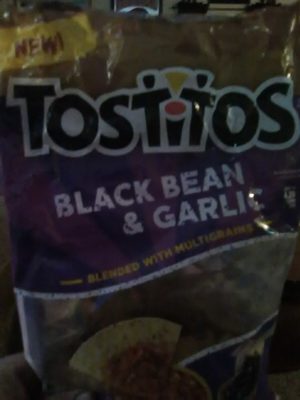
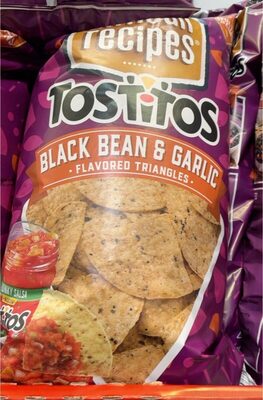
Learn more
Auto-generated content. This description was generated automatically and is pending editorial review. Inaccuracies are possible. Found a mistake? Contact us.