Whole Grains And Seeds
What is Whole Grains And Seeds?
Whole grains are grains that contain all three parts of the kernel: the bran, germ, and endosperm. Seeds are the reproductive parts of plants, often rich in nutrients. They are harvested from various plants and typically undergo minimal processing like cleaning, drying, or grinding before being used in food products.
Is Whole Grains And Seeds vegan?
Whole Grains And Seeds is not animal-derived. Products that contain it can still include other animal-derived ingredients, so check the full ingredient list.
Is Whole Grains And Seeds gluten-free?
For example, wheat is a major allergen and contains gluten.
Is Whole Grains And Seeds a major allergen?
This category includes many different ingredients, some of which are major allergens.
What is Whole Grains And Seeds used for?
Manufacturers add whole grains and seeds to foods to enhance flavor, texture, and nutritional value.
Is Whole Grains And Seeds safe?
Whole grains and seeds are recognized as important components of a healthy diet.
Why it's used
Manufacturers add whole grains and seeds to foods to enhance flavor, texture, and nutritional value. They provide dietary fiber, vitamins, and minerals, and contribute to a feeling of fullness. They are commonly found in baked goods like crackers, breads, and cereals.
Health notes
Whole grains and seeds are recognized as important components of a healthy diet. The 2025-2030 Dietary Guidelines for Americans recommend making at least half of your grain intake whole grains. They are a good source of dietary fiber, which supports digestive health and may help manage blood sugar levels. There is no specific regulatory status for 'whole grains and seeds' as a food additive, as they are considered food ingredients.
Allergen info
This category includes many different ingredients, some of which are major allergens. For example, wheat is a major allergen and contains gluten. Other seeds, such as sesame, peanuts, and tree nuts, are also major allergens. Consumers should check specific product labels for allergen information.
Foods that contain Whole Grains And Seeds
Compare products →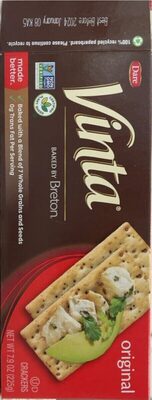 Original Crackers
538kcal
7.7Protein
23.1Fat
69.2Carbs
Original Crackers
538kcal
7.7Protein
23.1Fat
69.2Carbs
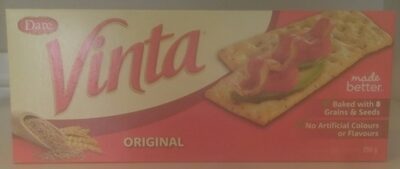 8 Grains & Seeds Crackers
538kcal
7.7Protein
23.1Fat
61.5Carbs
8 Grains & Seeds Crackers
538kcal
7.7Protein
23.1Fat
61.5Carbs
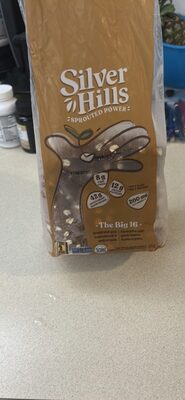 The Big 16 Sprouted Whole Grain Bread, The Big 16
250kcal
16.7Protein
2.8Fat
47.2Carbs
The Big 16 Sprouted Whole Grain Bread, The Big 16
250kcal
16.7Protein
2.8Fat
47.2Carbs
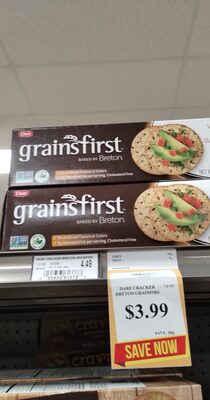 Whole Grain & Seeds Crackers, Whole Grain & Seeds
444kcal
11.1Protein
19.4Fat
61.1Carbs
DARE
Whole Grain & Seeds Crackers
444kcal
11.1Protein
16.7Fat
61.1Carbs
Whole Grain & Seeds Crackers, Whole Grain & Seeds
444kcal
11.1Protein
19.4Fat
61.1Carbs
DARE
Whole Grain & Seeds Crackers
444kcal
11.1Protein
16.7Fat
61.1Carbs
Learn more
Auto-generated content. This description was generated automatically and is pending editorial review. Inaccuracies are possible. Found a mistake? Contact us.