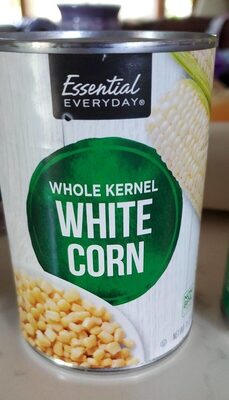
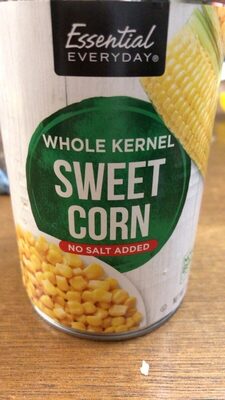
Whole Kernel Corn
What is Whole Kernel Corn?
Whole kernel corn is the intact kernels of the corn plant, a grain crop grown widely in the United States. It is typically harvested when mature and can be sold fresh, frozen, or canned. Processing for canned or frozen corn usually involves blanching (briefly boiling) and then packing in water or brine.
Is Whole Kernel Corn vegan?
Whole Kernel Corn is not animal-derived. Products that contain it can still include other animal-derived ingredients, so check the full ingredient list.
Is Whole Kernel Corn gluten-free?
It does not contain gluten.
Is Whole Kernel Corn a major allergen?
Corn is not one of the nine FDA major allergens.
What is Whole Kernel Corn used for?
Whole kernel corn is used as a vegetable in a wide variety of dishes, adding sweetness and texture.
Is Whole Kernel Corn safe?
Whole kernel corn is recognized as safe (GRAS) by the FDA for general use in food.
Why it's used
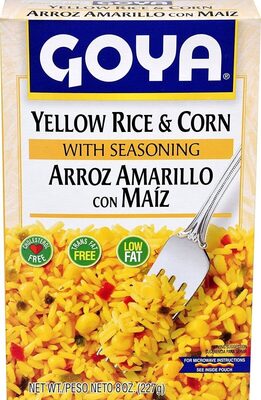
Whole kernel corn is used as a vegetable in a wide variety of dishes, adding sweetness and texture. Manufacturers include it in canned vegetables, frozen vegetable mixes, soups, casseroles, and ready-to-eat meals. Its natural sweetness and firm texture make it a popular addition to many savory and some sweet applications.
Health notes
Whole kernel corn is recognized as safe (GRAS) by the FDA for general use in food. It is a source of dietary fiber, vitamins, and minerals. Regulatory bodies like JECFA and EFSA have evaluated corn and its components. Typical consumption as part of a balanced diet is not associated with adverse health effects.
Allergen info
Corn is not one of the nine FDA major allergens. It does not contain gluten.
Foods that contain Whole Kernel Corn
Compare products →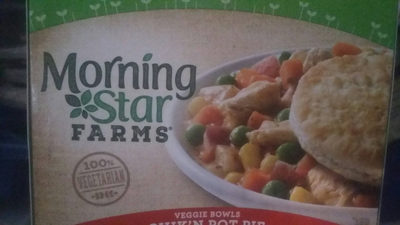
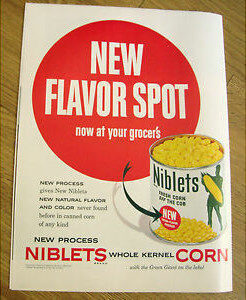
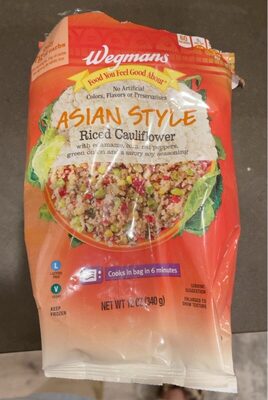
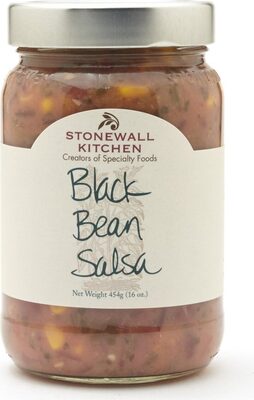
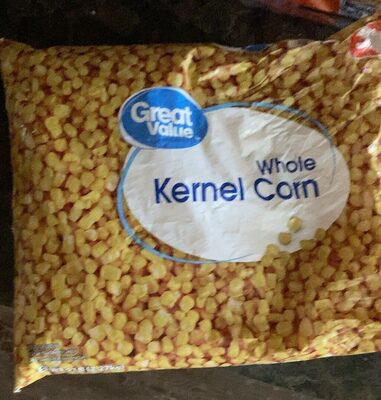
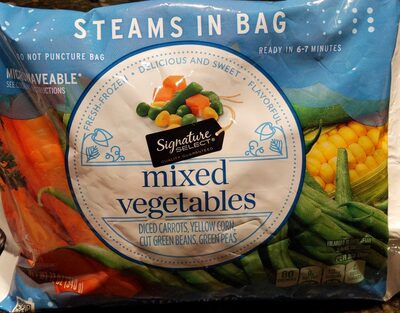


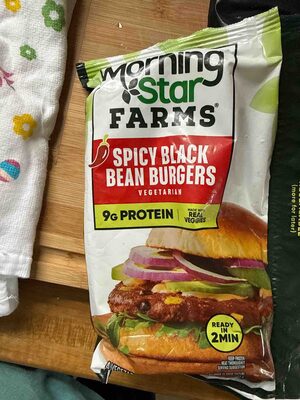
Learn more
Auto-generated content. This description was generated automatically and is pending editorial review. Inaccuracies are possible. Found a mistake? Contact us.