Whole Organic Soybeans
Auto-generated content. This description was generated automatically and is pending editorial review. Inaccuracies are possible. Found a mistake? Contact us.
What it is
Whole organic soybeans are the complete, unprocessed bean from the soybean plant, grown without synthetic pesticides or fertilizers. They are a versatile legume native to East Asia, now cultivated worldwide. The beans are typically harvested, dried, and cleaned before use.
Why it's used
Soybeans are used to make a variety of products, including soy milk, tofu, tempeh, and soy sauce. They can also be roasted and eaten as a snack or added to dishes for protein and texture. In packaged foods, they often serve as a source of plant-based protein and fiber.
Health notes
Soybeans are a source of protein, fiber, and various micronutrients. The FDA recognizes soy protein as potentially reducing the risk of heart disease when consumed as part of a diet low in saturated fat and cholesterol. Regulatory bodies like JECFA and EFSA have evaluated soy and soy products. Some studies have explored the effects of soy isoflavones on hormone levels and cancer risk, with mixed findings and ongoing research.
Allergen info
Soy is one of the 9 major allergens recognized by the FDA. People with a soy allergy should avoid foods containing whole soybeans or soy-derived ingredients.
Products containing Whole Organic Soybeans
Compare products →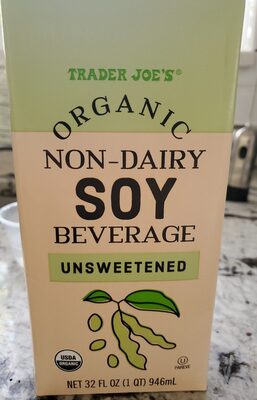 TRADER JOE'S
Trader Joe's, Soy Beverage
38kcal
3.8Protein
1.9Fat
1.7Carbs
WHOLE FOODS MARKET
On The Trail Mix
464kcal
14.3Protein
28.6Fat
42.9Carbs
Green Chemical Products Inc.
Organic Soymilk
42kcal
2.9Protein
1.7Fat
3.8Carbs
Conagra Brands
HEALTHY CHOICE Vegetable Potstickers, 56 OZ
High in sodium — 23% DV per serving
115kcal
2.6Protein
1.3Fat
22.5Carbs
Kikkoman Sales USA, Inc.
Chocolate With Organic Cocoa Soymilk, Chocolate
62kcal
3.3Protein
1.9Fat
8.8Carbs
The Kroger Co.
Vanilla Soymilk, Vanilla
42kcal
2.5Protein
1.5Fat
4.6Carbs
The Kroger Co.
Plain Soymilk, Plain
42kcal
2.9Protein
1.7Fat
3.3Carbs
The Hain Celestial Group, Inc.
Soymilk, Chocolate
29kcal
2.9Protein
1.2Fat
2.1Carbs
Cooperative Regions of Organic Producer Pools
Soy Creamer, Original
100kcal
0Protein
6.7Fat
6.7Carbs
Cooperative Regions of Organic Producer Pools
Soy Creamer, Original
100kcal
0Protein
6.7Fat
6.7Carbs
Pulmuone Foods USA, Inc.
Wildwood, Soymilk Creamer, Original, Original
100kcal
0Protein
10Fat
6.7Carbs
TRADER JOE'S
Trader Joe's, Soy Beverage
38kcal
3.8Protein
1.9Fat
1.7Carbs
WHOLE FOODS MARKET
On The Trail Mix
464kcal
14.3Protein
28.6Fat
42.9Carbs
Green Chemical Products Inc.
Organic Soymilk
42kcal
2.9Protein
1.7Fat
3.8Carbs
Conagra Brands
HEALTHY CHOICE Vegetable Potstickers, 56 OZ
High in sodium — 23% DV per serving
115kcal
2.6Protein
1.3Fat
22.5Carbs
Kikkoman Sales USA, Inc.
Chocolate With Organic Cocoa Soymilk, Chocolate
62kcal
3.3Protein
1.9Fat
8.8Carbs
The Kroger Co.
Vanilla Soymilk, Vanilla
42kcal
2.5Protein
1.5Fat
4.6Carbs
The Kroger Co.
Plain Soymilk, Plain
42kcal
2.9Protein
1.7Fat
3.3Carbs
The Hain Celestial Group, Inc.
Soymilk, Chocolate
29kcal
2.9Protein
1.2Fat
2.1Carbs
Cooperative Regions of Organic Producer Pools
Soy Creamer, Original
100kcal
0Protein
6.7Fat
6.7Carbs
Cooperative Regions of Organic Producer Pools
Soy Creamer, Original
100kcal
0Protein
6.7Fat
6.7Carbs
Pulmuone Foods USA, Inc.
Wildwood, Soymilk Creamer, Original, Original
100kcal
0Protein
10Fat
6.7Carbs