Yogurt: Cultured Pasteurized Nonfat Milk
Auto-generated content. This description was generated automatically and is pending editorial review. Inaccuracies are possible. Found a mistake? Contact us.
What it is
Yogurt is a dairy product made by the bacterial fermentation of milk. The bacteria produce lactic acid from the milk, which causes milk proteins to denature and thicken, producing yogurt's characteristic texture and tangy taste. It is typically made from pasteurized milk, often skimmed or low-fat.
Why it's used
Yogurt is primarily consumed as a food itself, often flavored with fruit or sweeteners. It is also used as an ingredient in smoothies, dips, dressings, and baked goods. Its creamy texture and tangy flavor make it a versatile addition to many dishes.
Health notes
Yogurt is considered a nutrient-dense food, providing protein, calcium, and vitamin D. The fermentation process can also introduce live and active cultures, which are probiotics that may benefit gut health. The FDA considers yogurt made with live and active cultures to be a safe and nutritious food. JECFA and EFSA have evaluated yogurt and its components, recognizing its nutritional value.
Allergen info
Yogurt is derived from milk, which is one of the nine FDA major allergens. It does not contain gluten.
Products containing Yogurt: Cultured Pasteurized Nonfat Milk
Compare products →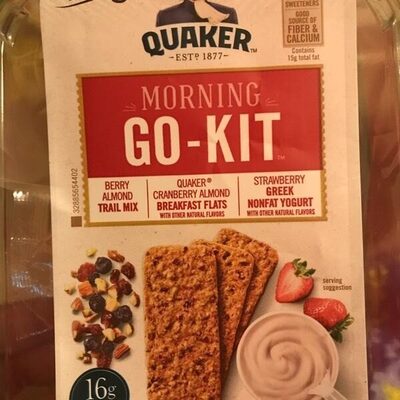 The Quaker Oats Company
Berry Almond Trail Mix, Cranberry Almond Breakfast Flats, Strawberry Greek Nonfat Yogurt Morning Go-Kit, Berry Almond, Cranberry Almond, Strawberry
219kcal
8.7Protein
8.2Fat
29.0Carbs
The Quaker Oats Company
Raisin Nut & Seed Trail Mix, Banana Honey Nut Breakfast Flats, Vanilla Greek Nonfat Yogurt Morning Go-Kit, Raisin Nut & Seed, Banana Honey Nut, Vanilla
224kcal
9.8Protein
9.8Fat
26.2Carbs
Has Sales & Marketing
Plain Non Fat Greek Yogurt
62kcal
11.0Protein
0Fat
4.4Carbs
The Quaker Oats Company
Berry Almond Trail Mix, Cranberry Almond Breakfast Flats, Strawberry Greek Nonfat Yogurt Morning Go-Kit, Berry Almond, Cranberry Almond, Strawberry
219kcal
8.7Protein
8.2Fat
29.0Carbs
The Quaker Oats Company
Raisin Nut & Seed Trail Mix, Banana Honey Nut Breakfast Flats, Vanilla Greek Nonfat Yogurt Morning Go-Kit, Raisin Nut & Seed, Banana Honey Nut, Vanilla
224kcal
9.8Protein
9.8Fat
26.2Carbs
Has Sales & Marketing
Plain Non Fat Greek Yogurt
62kcal
11.0Protein
0Fat
4.4Carbs