Young Coconut Pulp
Auto-generated content. This description was generated automatically and is pending editorial review. Inaccuracies are possible. Found a mistake? Contact us.
What it is
Young coconut pulp is the white, fleshy part found inside young, green coconuts. It is harvested from the coconut's interior and can be consumed fresh or processed for use in food products. The pulp is known for its mild, slightly sweet flavor and tender texture.
Why it's used
Manufacturers add young coconut pulp to provide texture, flavor, and a tropical note to foods. It is often found in beverages like coconut water with pulp, fruit juices, and smoothies. It can also be used in desserts such as puddings, custards, and ice cream.
Health notes
Young coconut pulp is generally recognized as safe (GRAS) by the FDA for use in food. It is a source of dietary fiber and some minerals. International bodies like JECFA have evaluated coconut products, but specific evaluations for young coconut pulp's health effects at typical dietary intakes are limited. Evidence does not suggest adverse health effects from consuming young coconut pulp in moderation.
Allergen info
Coconut is considered a tree nut by the FDA for labeling purposes, making it one of the major allergens. People with tree nut allergies should avoid products containing coconut.
Products containing Young Coconut Pulp
Compare products →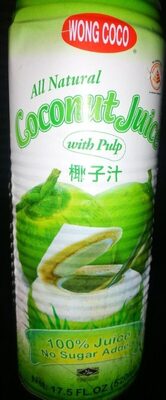 Tungpec, Inc.
Refreshing Coconut Water With Pulp
25kcal
0Protein
0.2Fat
5.8Carbs
Tungpec, Inc.
Refreshing Coconut Water With Pulp
25kcal
0Protein
0.2Fat
5.8Carbs
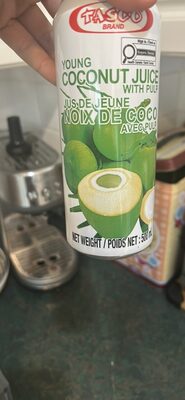 Denny's Corporation
Tasco, Young Coconut Juice With Pulp
32kcal
0Protein
0.2Fat
8Carbs
Denny's Corporation
Tasco, Young Coconut Juice With Pulp
32kcal
0Protein
0.2Fat
8Carbs
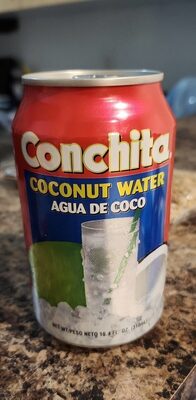 Conchita Foods, Inc.
Coconut Water
48kcal
—Protein
0.3Fat
10.7Carbs
Gracekennedy Foods (USA) LLC
Coconut Water With Pulp
39kcal
0.3Protein
0.3Fat
9.0Carbs
Conchita Foods, Inc.
Coconut Water
48kcal
—Protein
0.3Fat
10.7Carbs
Gracekennedy Foods (USA) LLC
Coconut Water With Pulp
39kcal
0.3Protein
0.3Fat
9.0Carbs
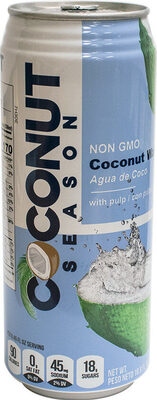 Milky Way Int'L Trading Corp
Coconut Water With Pulp
36kcal
0Protein
0Fat
8.4Carbs
C2O LLC
Pure Coconut Water With Coconut Pulp
19kcal
0Protein
0Fat
5.5Carbs
Milky Way Int'L Trading Corp
Coconut Water With Pulp
36kcal
0Protein
0Fat
8.4Carbs
C2O LLC
Pure Coconut Water With Coconut Pulp
19kcal
0Protein
0Fat
5.5Carbs