Additional Enzyme
Auto-generated content. This description was generated automatically and is pending editorial review. Inaccuracies are possible. Found a mistake? Contact us.
What it is
Additional enzymes are enzymes used in food processing that are not naturally present in the food. They are typically produced through fermentation by microorganisms like bacteria, yeast, or fungi, and then purified for use. These enzymes help improve dough handling, texture, and shelf life in baked goods.
Why it's used
Manufacturers add additional enzymes to improve dough properties, enhance bread volume, and create a softer crumb. They are commonly found in bread, buns, and other baked goods.
Health notes
Additional enzymes are generally recognized as safe (GRAS) by the FDA for use in food. Regulatory bodies like JECFA and EFSA have evaluated enzymes used in food processing. At typical consumption levels, they are not associated with adverse health effects. Evidence regarding their impact on health is generally considered robust.
Allergen info
Additional enzymes are not derived from major allergens. Gluten is not typically present unless the enzyme is produced using a gluten-containing substrate, which is uncommon.
Products containing Additional Enzyme
Compare products →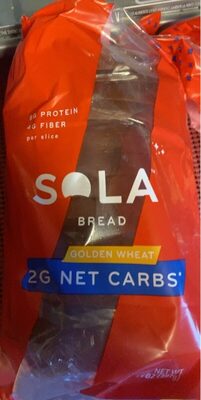 NatGood Operation LLC
Golden Wheat Bread, Golden Wheat
214kcal
17.9Protein
12.5Fat
25Carbs
NatGood Operation LLC
Sweet & Buttery Bread, Sweet & Buttery
214kcal
17.9Protein
12.5Fat
28.6Carbs
Sweet Oat Bread, Sweet Oat
214kcal
17.9Protein
12.5Fat
28.6Carbs
NatGood Operation LLC
Golden Wheat Bread, Golden Wheat
214kcal
17.9Protein
12.5Fat
25Carbs
NatGood Operation LLC
Sweet & Buttery Bread, Sweet & Buttery
214kcal
17.9Protein
12.5Fat
28.6Carbs
Sweet Oat Bread, Sweet Oat
214kcal
17.9Protein
12.5Fat
28.6Carbs