Aged Over 9 Months
Auto-generated content. This description was generated automatically and is pending editorial review. Inaccuracies are possible. Found a mistake? Contact us.
What it is
The phrase "Aged Over 9 Months" is not an ingredient itself, but rather a descriptor of a food product's maturation process. It indicates that the food, typically cheese or cured meats, has been stored and allowed to mature for a minimum of nine months. This aging process allows for the development of more complex flavors, aromas, and textures.
Why it's used
Manufacturers use this descriptor to highlight the quality and characteristics of products that have undergone a significant aging period. The aging process is crucial for enhancing the taste, aroma, and texture of certain foods. It is most commonly found on labels for cheeses, such as cheddar or parmesan, and some cured meats.
Health notes
As "Aged Over 9 Months" describes a processing method rather than a specific ingredient, it does not have direct regulatory status as a food additive by the FDA. There are no known direct health effects associated with the aging process itself. Regulatory bodies like JECFA or EFSA do not evaluate aging processes in the same way they assess food additives, as it is a traditional food preparation technique.
Allergen info
The aging process itself is not a major allergen. Any allergen concerns would relate to the specific food product being aged (e.g., milk in cheese).
Products containing Aged Over 9 Months
Compare products →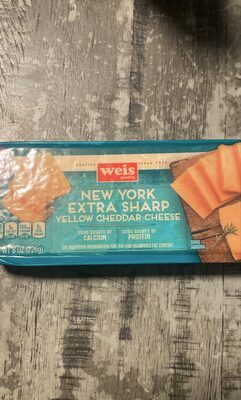 Weis Markets, Inc.
Cheddar Cheese
High in saturated fat — 30% DV per serving
393kcal
25Protein
32.1Fat
0Carbs
Bel Brands USA Inc.
Wis Pride, Spreadable Cheese
217kcal
17.4Protein
10.9Fat
17.4Carbs
Bel Brands USA Inc.
Kaukauna, Lite Sharp Cheddar Spreadable Cheese
231kcal
19.2Protein
11.5Fat
15.4Carbs
P&S Ravioli Company Cooked Meatballs, 6 Count, 9 Oz
High in saturated fat — 20% DV per serving
High in cholesterol — 20% DV per serving
329kcal
23.5Protein
21.2Fat
11.8Carbs
Weis Markets, Inc.
Cheddar Cheese
High in saturated fat — 30% DV per serving
393kcal
25Protein
32.1Fat
0Carbs
Bel Brands USA Inc.
Wis Pride, Spreadable Cheese
217kcal
17.4Protein
10.9Fat
17.4Carbs
Bel Brands USA Inc.
Kaukauna, Lite Sharp Cheddar Spreadable Cheese
231kcal
19.2Protein
11.5Fat
15.4Carbs
P&S Ravioli Company Cooked Meatballs, 6 Count, 9 Oz
High in saturated fat — 20% DV per serving
High in cholesterol — 20% DV per serving
329kcal
23.5Protein
21.2Fat
11.8Carbs