Alum
Auto-generated content. This description was generated automatically and is pending editorial review. Inaccuracies are possible. Found a mistake? Contact us.
What it is
Alum is a group of aluminum-containing salts, most commonly potassium aluminum sulfate. It is found naturally in mineral deposits and can also be manufactured. Alum has been used for centuries in various applications, including food preparation.
Why it's used
In food, alum is primarily used as a firming agent, especially in pickles and preserved fruits and vegetables. It helps maintain their crisp texture during processing and storage. It can also be found in some baked goods as part of a leavening system.
Health notes
In the U.S., alum is generally recognized as safe (GRAS) by the FDA for use as a food additive. Regulatory bodies like JECFA and EFSA have evaluated alum, and JECFA has established an acceptable daily intake. While generally considered safe at typical food levels, very high doses of aluminum can be harmful. Some research has explored potential links between high aluminum intake and health concerns, but evidence at typical dietary levels is not conclusive.
Allergen info
Alum is not derived from any of the nine FDA major allergens. It does not contain gluten.
Products containing Alum
Compare products →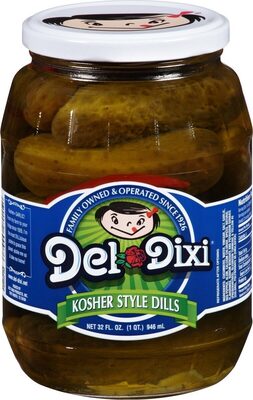 Dalton's Best Maid Products, Inc.
Kosher Style Dills
High in sodium — 20% DV per serving
18kcal
0Protein
0Fat
3.6Carbs
Dalton's Best Maid Products, Inc.
Sour Pickles
18kcal
0Protein
0Fat
3.6Carbs
Dalton's Best Maid Products, Inc.
Kosher Style Dills
High in sodium — 20% DV per serving
18kcal
0Protein
0Fat
3.6Carbs
Dalton's Best Maid Products, Inc.
Sour Pickles
18kcal
0Protein
0Fat
3.6Carbs