Ancho Chili
What is Ancho Chili?
Ancho chili is a dried poblano pepper. Poblano peppers are mild, dark green chilies native to Puebla, Mexico. When dried, the poblano turns a dark reddish-brown and develops a smoky, slightly sweet flavor.
Is Ancho Chili vegan?
Ancho Chili is not animal-derived. Products that contain it can still include other animal-derived ingredients, so check the full ingredient list.
Is Ancho Chili gluten-free?
It is a dried pepper and does not contain gluten.
Is Ancho Chili a major allergen?
Ancho chili is not a major allergen.
What is Ancho Chili used for?
Ancho chili is used to add a mild, smoky, and slightly sweet flavor to foods.
Is Ancho Chili safe?
Ancho chili is generally recognized as safe (GRAS) by the FDA when used as a food ingredient.
Why it's used
Ancho chili is used to add a mild, smoky, and slightly sweet flavor to foods. It is commonly found in Mexican and Tex-Mex dishes, including chili, sauces, marinades, rubs, and spice blends. It can also be used in stews and to season meats and vegetables.
Health notes
Ancho chili is generally recognized as safe (GRAS) by the FDA when used as a food ingredient. It is a natural food product and not an additive requiring specific approval. While chilies contain capsaicin, the compound that can cause a burning sensation, the amount in ancho chili is typically mild. JECFA has evaluated chili peppers and their extracts, and EFSA has also assessed capsaicin. At typical dietary intake levels, ancho chili is not associated with adverse health effects.
Allergen info
Ancho chili is not a major allergen. It is a dried pepper and does not contain gluten.
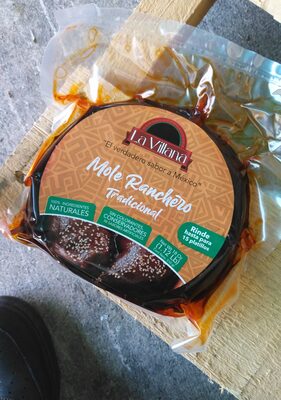
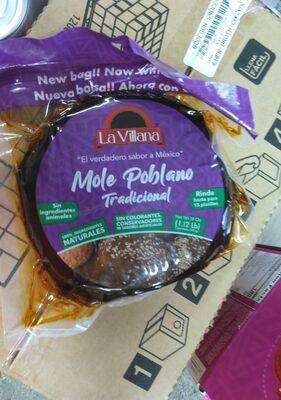
Foods that contain Ancho Chili
Compare products →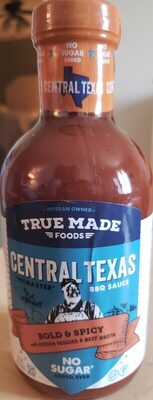
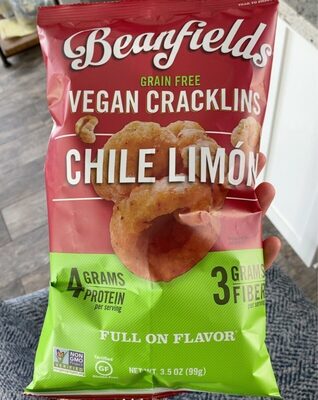
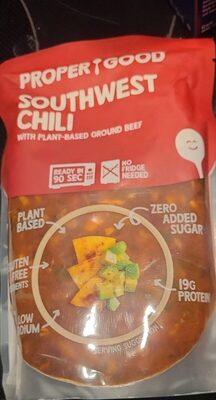
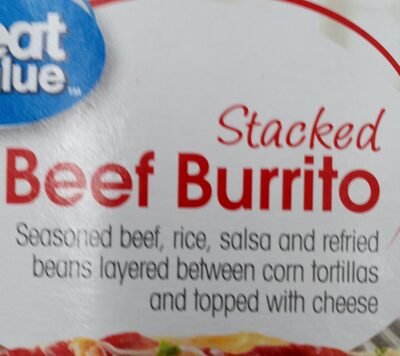
Auto-generated content. This description was generated automatically and is pending editorial review. Inaccuracies are possible. Found a mistake? Contact us.