And Live And Active Cultures
Auto-generated content. This description was generated automatically and is pending editorial review. Inaccuracies are possible. Found a mistake? Contact us.
What it is
These are live microorganisms, often bacteria and yeasts, that are added to foods like yogurt and kefir. They are naturally present in fermented foods and are often introduced through starter cultures during the food production process. The specific strains used can vary widely.
Why it's used
Manufacturers add live and active cultures to fermented dairy products to aid in the fermentation process, which develops flavor and texture. They are also added for their potential health benefits, as they are considered probiotics. They are most commonly found in yogurt, kefir, and some cheeses.
Health notes
Live and active cultures are generally recognized as safe (GRAS) by the FDA when used in foods. Some specific strains are studied for their potential benefits as probiotics, which are live microorganisms that may confer a health benefit when consumed in adequate amounts. Regulatory bodies like EFSA have evaluated the safety and efficacy of certain probiotic strains. Research into the specific health effects of different strains is ongoing, and evidence can vary.
Allergen info
Not a major allergen. However, if the cultures are added to a dairy product like yogurt, the final product will contain milk, which is a major allergen.
Products containing And Live And Active Cultures
Compare products →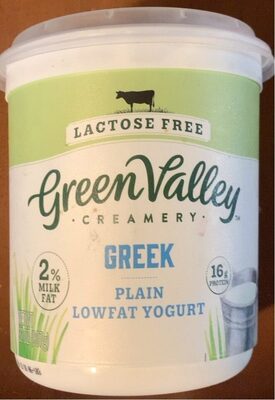 Redwood Hill Farm & Creamery, LLC
Plain Lactose Free Greek Lowfat Yogurt, Plain
76kcal
9.4Protein
2.1Fat
4.1Carbs
Redwood Hill Farm & Creamery, LLC
Plain Lactose Free Greek Whole Milk Yogurt, Plain
High in saturated fat — 20% DV per serving
94kcal
8.8Protein
5.3Fat
4.1Carbs
Redwood Hill Farm & Creamery, LLC
Plain Lactose Free Greek Nonfat Yogurt, Plain
53kcal
9.4Protein
0Fat
2.9Carbs
Redwood Hill Farm & Creamery, LLC
Plain Lactose Free Greek Lowfat Yogurt, Plain
76kcal
9.4Protein
2.1Fat
4.1Carbs
Redwood Hill Farm & Creamery, LLC
Plain Lactose Free Greek Whole Milk Yogurt, Plain
High in saturated fat — 20% DV per serving
94kcal
8.8Protein
5.3Fat
4.1Carbs
Redwood Hill Farm & Creamery, LLC
Plain Lactose Free Greek Nonfat Yogurt, Plain
53kcal
9.4Protein
0Fat
2.9Carbs