And Not More Than 2% Salt
Auto-generated content. This description was generated automatically and is pending editorial review. Inaccuracies are possible. Found a mistake? Contact us.
What it is
This refers to the maximum amount of salt allowed in a food product, which is typically 2% of the total weight. Salt, or sodium chloride, is a mineral naturally found in seawater and underground deposits. It is harvested through evaporation or mining and then purified for food use.
Why it's used
Salt is primarily added to foods as a flavor enhancer, making them taste better. It also acts as a preservative by inhibiting the growth of microorganisms, and can help control fermentation in products like bread. It is found in a wide variety of processed foods, including canned goods, snacks, and prepared meals.
Health notes
The FDA regulates salt content in foods. High sodium intake is associated with increased blood pressure in some individuals, according to health organizations like the World Health Organization. Dietary guidelines recommend limiting sodium intake for general health. JECFA and EFSA have evaluated salt and its role in food.
Allergen info
Salt is not one of the 9 FDA major allergens. It does not contain gluten.
Products containing And Not More Than 2% Salt
Compare products →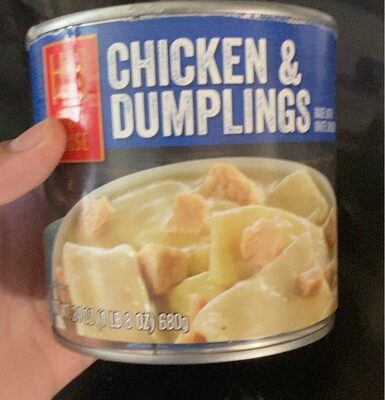 The Moran Group Incorporated
Hargis House, Chicken & Dumplings
High in sodium — 45% DV per serving
79kcal
5.8Protein
2.1Fat
9.6Carbs
The Moran Group Incorporated
Hargis House, Chicken & Dumplings
High in sodium — 45% DV per serving
79kcal
5.8Protein
2.1Fat
9.6Carbs
 Bumble Bee Foods, LLC
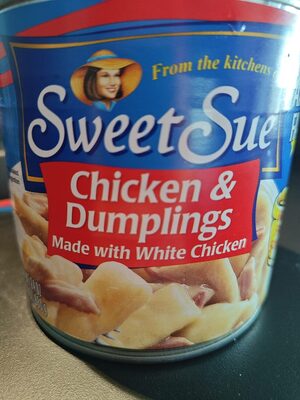
Chicken & Dumplings
High in sodium — 45% DV per serving
79kcal
5.8Protein
2.1Fat
9.6Carbs
Bumble Bee Foods, LLC
Chicken & Dumplings
High in sodium — 45% DV per serving
79kcal
5.8Protein
2.1Fat
9.6Carbs
 Bumble Bee Foods, LLC
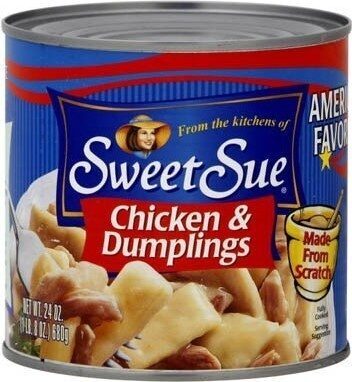
Chicken & Dumplings
High in sodium — 45% DV per serving
79kcal
5.8Protein
2.1Fat
9.6Carbs
Bumble Bee Foods, LLC
Chicken & Dumplings
High in sodium — 45% DV per serving
79kcal
5.8Protein
2.1Fat
9.6Carbs
 Bumble Bee Foods, LLC
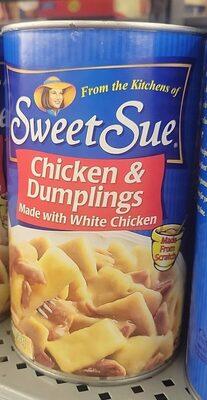
Chicken & Dumplings
High in sodium — 45% DV per serving
79kcal
5.8Protein
2.1Fat
9.6Carbs
Bumble Bee Foods, LLC
Chicken & Dumplings
High in sodium — 45% DV per serving
79kcal
5.8Protein
2.1Fat
9.6Carbs
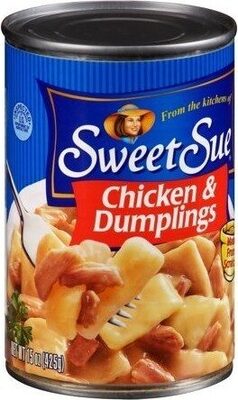 Bumble Bee Foods, LLC
Chicken & Dumplings
High in sodium — 45% DV per serving
79kcal
5.8Protein
2.1Fat
9.6Carbs
Bumble Bee Foods, LLC
Chicken & Dumplings
High in sodium — 45% DV per serving
79kcal
5.8Protein
2.1Fat
9.6Carbs