Dehydrated Egg
What is Dehydrated Egg?
Dehydrated egg is whole eggs that have had most of their water removed. This process extends the shelf life of the egg and makes it easier to store and transport. It can be made by spray-drying, drum-drying, or freeze-drying.
Is Dehydrated Egg vegan?
No. Dehydrated Egg is animal-derived, so it is not vegan.
Is Dehydrated Egg gluten-free?
It does not contain gluten.
Is Dehydrated Egg a major allergen?
Dehydrated egg is derived from eggs, which are one of the 9 FDA major allergens.
What is Dehydrated Egg used for?
Dehydrated egg is used as a binder, emulsifier, and leavening agent in baked goods and processed foods.
Is Dehydrated Egg safe?
Dehydrated egg is generally recognized as safe (GRAS) by the FDA.
Why it's used
Dehydrated egg is used as a binder, emulsifier, and leavening agent in baked goods and processed foods. It provides the functional properties of fresh eggs in a more stable form. Common uses include mixes for cakes, cookies, and bread, as well as in processed meats and dairy products.
Health notes
Dehydrated egg is generally recognized as safe (GRAS) by the FDA. It is a source of protein and other nutrients found in eggs. International bodies like JECFA have evaluated dried eggs and egg products. At typical consumption levels, it poses no known health risks.
Allergen info
Dehydrated egg is derived from eggs, which are one of the 9 FDA major allergens. It does not contain gluten.
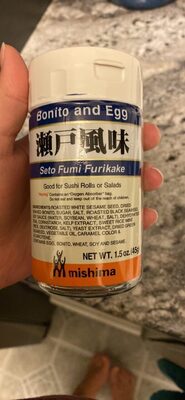
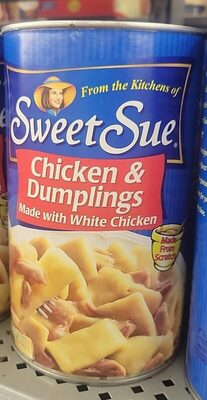
Foods that contain Dehydrated Egg
Compare products →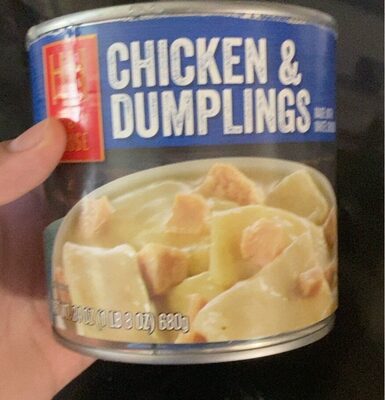



Learn more
Auto-generated content. This description was generated automatically and is pending editorial review. Inaccuracies are possible. Found a mistake? Contact us.