And Romano Cheese
This entry is a label phrase. See the main ingredient page: Romano Cheese.
What is And Romano Cheese?
Romano cheese is a hard, salty Italian-style cheese, traditionally made from sheep's milk (Pecorino Romano), but also from cow's or goat's milk. It is aged for several months, which gives it a sharp, pungent flavor and a granular texture.
Is And Romano Cheese vegan?
No. And Romano Cheese is animal-derived, so it is not vegan.
Is And Romano Cheese a major allergen?
Milk is a major food allergen recognized by the FDA.
What is And Romano Cheese used for?
Manufacturers add Romano cheese to foods to provide a strong, savory, and salty flavor.
Is And Romano Cheese safe?
Romano cheese is a food ingredient and not a food additive, so it is not subject to FDA approval or GRAS status as an additive.
Why it's used
Manufacturers add Romano cheese to foods to provide a strong, savory, and salty flavor. It is commonly used in pasta sauces, pizzas, salads, and as a topping for various dishes. Its firm texture makes it suitable for grating.
Health notes
Romano cheese is a food ingredient and not a food additive, so it is not subject to FDA approval or GRAS status as an additive. As a dairy product, it contributes protein, fat, and calcium to the diet. Hard cheeses like Romano are naturally low in lactose due to the cheesemaking and aging process. There are no specific health controversies associated with Romano cheese itself, beyond general dietary considerations for dairy products.
Allergen info
Milk is a major food allergen recognized by the FDA.
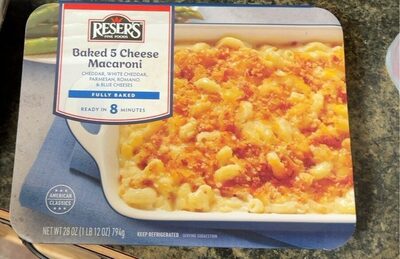
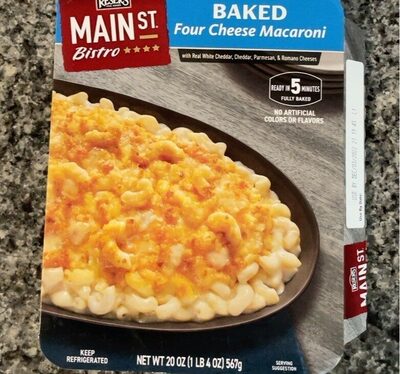
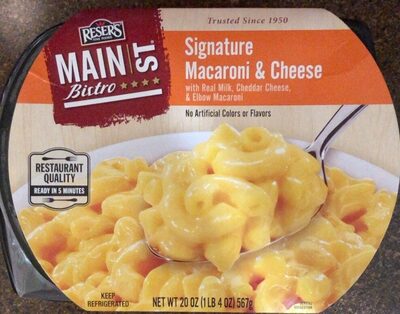
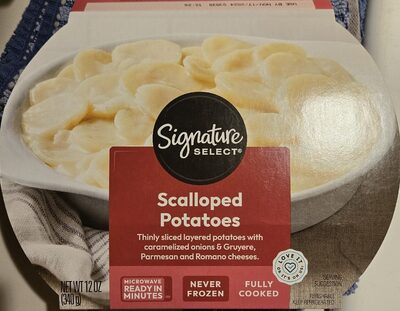
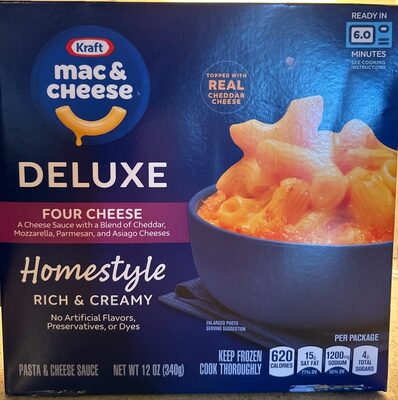
Foods that contain And Romano Cheese
Compare products →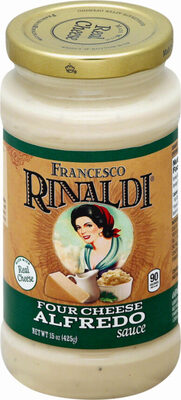
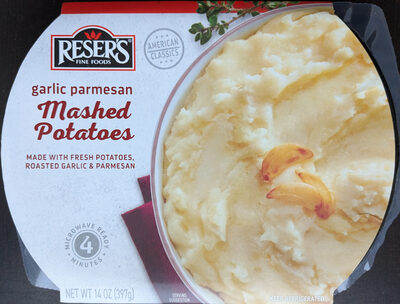
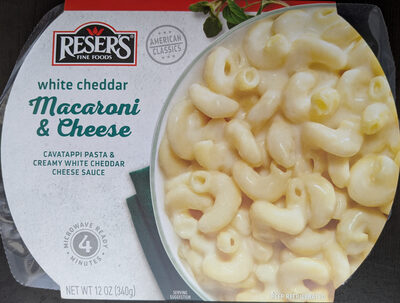
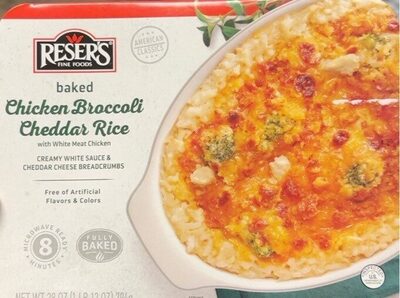
Learn more
Auto-generated content. This description was generated automatically and is pending editorial review. Inaccuracies are possible. Found a mistake? Contact us.