And Vitamin A
This entry is a label phrase. See the main ingredient page: Vitamin A.
What is And Vitamin A?
Vitamin A is a fat-soluble vitamin that is essential for vision, immune function, and cell growth. It occurs naturally in foods like liver, fish oils, eggs, and dairy products. It can also be added to foods or taken as a supplement, often in the form of retinol or beta-carotene.
Is And Vitamin A a major allergen?
Vitamin A itself is not one of the 9 major allergens.
What is And Vitamin A used for?
Vitamin A is added to foods as a nutrient to help consumers meet their daily requirements.
Is And Vitamin A safe?
The U.S. Food and Drug Administration (FDA) considers vitamin A an essential nutrient and permits its addition to foods.
Why it's used
Vitamin A is added to foods as a nutrient to help consumers meet their daily requirements. It is commonly found in fortified products such as cereals, milk, and infant formula. It is also used in some dietary supplements.
Health notes
The U.S. Food and Drug Administration (FDA) considers vitamin A an essential nutrient and permits its addition to foods. Excessive intake of vitamin A, particularly from supplements, can lead to toxicity. The Joint FAO/WHO Expert Committee on Food Additives (JECFA) has evaluated vitamin A and established acceptable daily intake levels. Research has explored the role of vitamin A in various health outcomes, but evidence on specific disease prevention or causation is often mixed and requires further study.
Allergen info
Vitamin A itself is not one of the 9 major allergens. However, if it is derived from certain food sources (like fish liver oil), it could potentially be a concern for individuals with specific allergies to those sources.
Foods that contain And Vitamin A
Compare products →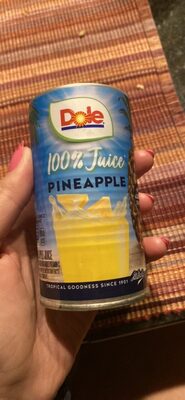
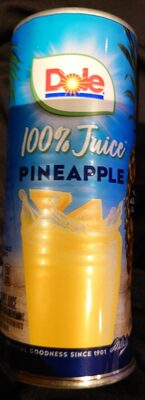
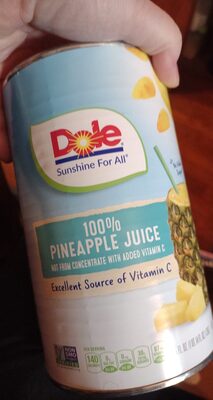
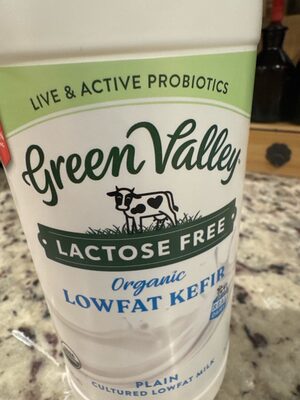
Learn more
Auto-generated content. This description was generated automatically and is pending editorial review. Inaccuracies are possible. Found a mistake? Contact us.