Asiago And Parmesan Cheeses
Auto-generated content. This description was generated automatically and is pending editorial review. Inaccuracies are possible. Found a mistake? Contact us.
What it is
Asiago and Parmesan are hard, Italian-style cheeses made from cow's milk. They are aged for varying lengths of time, which develops their sharp, nutty, and savory flavors. Parmesan is typically aged longer than Asiago.
Why it's used
These cheeses are added to foods for their distinct flavor and aroma. They are commonly used in pasta dishes, pizzas, sauces, and as a topping for salads and soups. Their firm texture also makes them suitable for grating.
Health notes
Asiago and Parmesan cheeses are generally recognized as safe (GRAS) by the FDA when used as food ingredients. They are a source of protein, calcium, and other nutrients. International bodies like JECFA have evaluated cheese and dairy products. As with many foods, excessive consumption of cheese, particularly those high in sodium and saturated fat, may be linked to health concerns, but typical intake is not associated with adverse effects.
Allergen info
Asiago and Parmesan cheeses are derived from cow's milk, which is one of the nine major allergens recognized by the FDA. They do not contain gluten.
Products containing Asiago And Parmesan Cheeses
Compare products →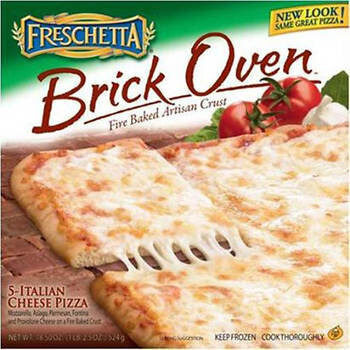 The Schwan Food Company
Five Cheese Mozzarella, Provolone, Fontina, Asiago & Parmesan Cheeses Brick Oven Crust Pizza, Five Cheese
High in sodium — 39% DV per serving
High in saturated fat — 40% DV per serving
257kcal
10.4Protein
11.8Fat
27.8Carbs
The Schwan Food Company
Five Cheese Mozzarella, Provolone, Fontina, Asiago & Parmesan Cheeses Brick Oven Crust Pizza, Five Cheese
High in sodium — 39% DV per serving
High in saturated fat — 40% DV per serving
257kcal
10.4Protein
11.8Fat
27.8Carbs
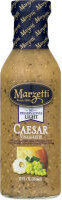 T. Marzetti Company
Light Parmesan Caesar Vinaigrette
194kcal
3.2Protein
19.4Fat
6.5Carbs
T. Marzetti Company
Light Parmesan Caesar Vinaigrette
194kcal
3.2Protein
19.4Fat
6.5Carbs
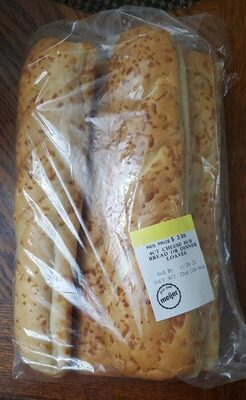 Meijer, Inc.
Cheese Sub Bread Or Dinner Loaves, Cheese
238kcal
10Protein
3.1Fat
41.2Carbs
Meijer, Inc.
Cheese Sub Bread Or Dinner Loaves, Cheese
238kcal
10Protein
3.1Fat
41.2Carbs