B1
What is B1?
Vitamin B1, also known as thiamine, is a water-soluble vitamin essential for human health. It plays a crucial role in energy metabolism, helping the body convert carbohydrates into energy. Thiamine is found naturally in many foods, including whole grains, legumes, and meats, and is often added to processed foods.
Is B1 vegan?
B1 is not animal-derived. Products that contain it can still include other animal-derived ingredients, so check the full ingredient list.
Is B1 gluten-free?
Thiamine itself is not one of the FDA's 9 major food allergens, nor does it typically contain gluten.
What is B1 used for?
Thiamine is added to foods as a nutrient to help fortify them and prevent deficiencies.
Is B1 safe?
Thiamine is recognized as safe and effective by the FDA when used as a nutrient supplement.
Why it's used
Thiamine is added to foods as a nutrient to help fortify them and prevent deficiencies. It is commonly found in enriched grain products like bread, cereals, and pasta, as well as in infant formulas and nutritional supplements. Manufacturers add it to ensure consumers receive adequate amounts of this essential vitamin.
Health notes
Thiamine is recognized as safe and effective by the FDA when used as a nutrient supplement. The Food and Agriculture Organization (FAO) and World Health Organization (WHO) Joint Expert Committee on Food Additives (JECFA) has evaluated thiamine and established an Acceptable Daily Intake (ADI). While essential for health, very high doses are generally well-tolerated, and deficiency can lead to serious health issues. There are no widespread controversies regarding its use at typical dietary levels.
Allergen info
Thiamine itself is not one of the FDA's 9 major food allergens, nor does it typically contain gluten. It is not derived from any of the major allergens.
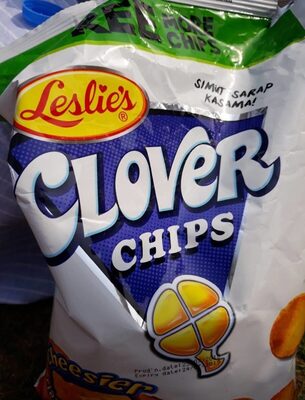
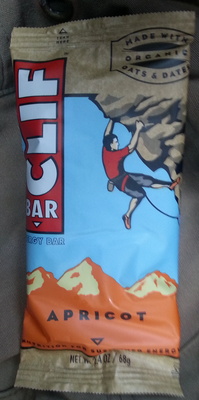
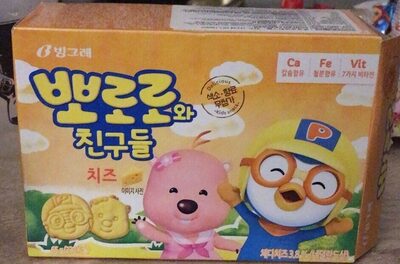
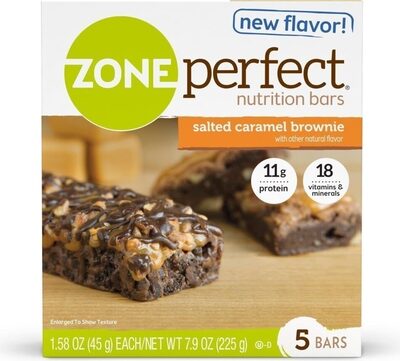
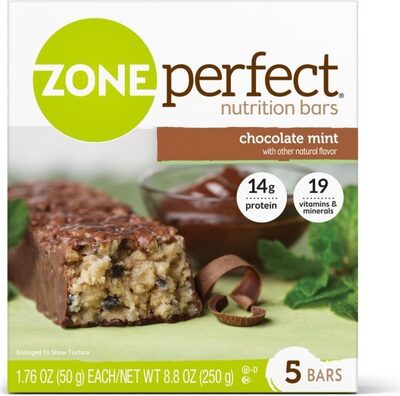
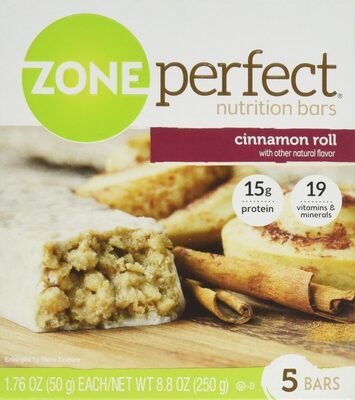
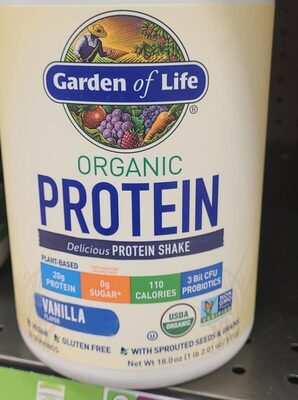
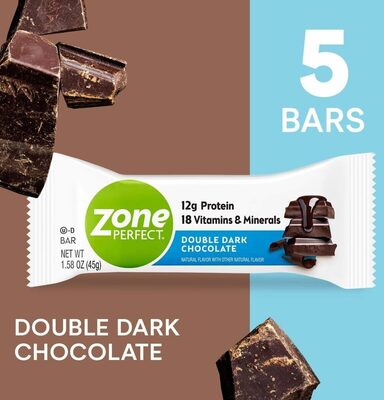
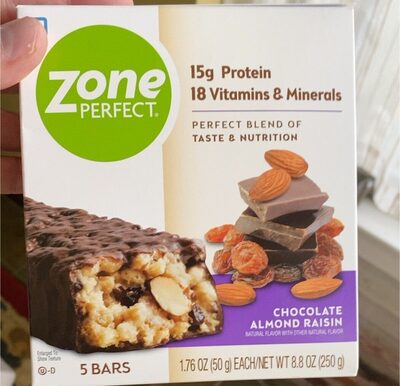
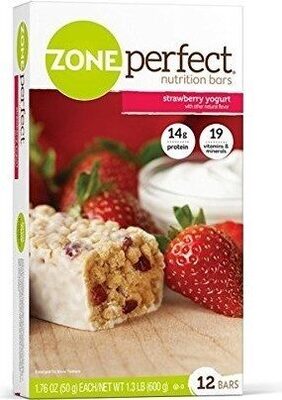
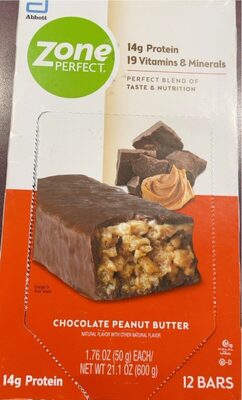
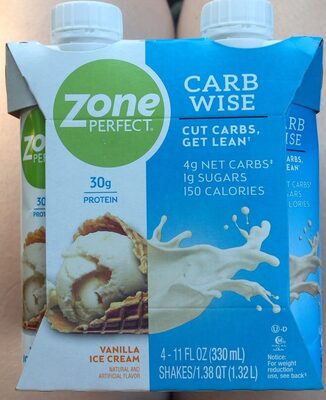
Foods that contain B1
Compare products →






Learn more
Auto-generated content. This description was generated automatically and is pending editorial review. Inaccuracies are possible. Found a mistake? Contact us.