Bakers Yeast
What is Bakers Yeast?
Bakers yeast is a single-celled microorganism, specifically a strain of *Saccharomyces cerevisiae*. It is cultivated in large quantities for commercial use, often grown on molasses or other sugar-rich media. The yeast cells are then harvested, washed, and dried or processed into a paste.
Is Bakers Yeast vegan?
Bakers Yeast is not animal-derived. Products that contain it can still include other animal-derived ingredients, so check the full ingredient list.
Is Bakers Yeast gluten-free?
It does not contain gluten.
Is Bakers Yeast a major allergen?
Bakers yeast is not derived from any of the nine FDA major allergens.
What is Bakers Yeast used for?
Yeast is primarily used as a leavening agent in baked goods.
Is Bakers Yeast safe?
Bakers yeast is Generally Recognized As Safe (GRAS) by the FDA for use in food.
Why it's used
Yeast is primarily used as a leavening agent in baked goods. It consumes sugars and produces carbon dioxide gas, which causes dough to rise and gives bread and other baked items their characteristic texture. It also contributes to flavor development during fermentation.
Health notes
Bakers yeast is Generally Recognized As Safe (GRAS) by the FDA for use in food. It is a source of B vitamins and protein. International bodies like JECFA have evaluated yeast, and it is widely consumed without adverse health effects at typical dietary levels. There are no widespread controversies regarding its safety.
Allergen info
Bakers yeast is not derived from any of the nine FDA major allergens. It does not contain gluten.
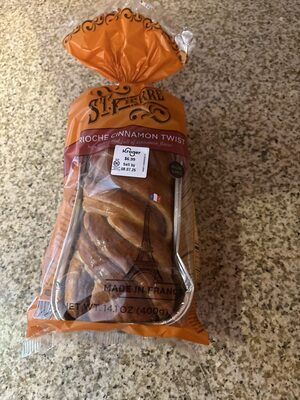
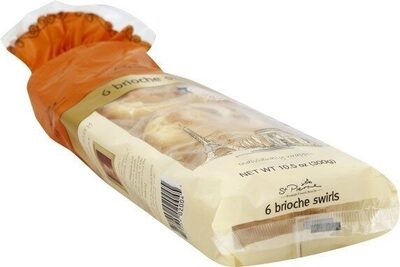
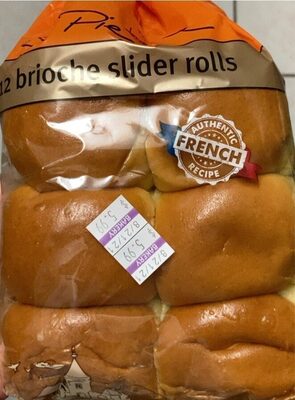
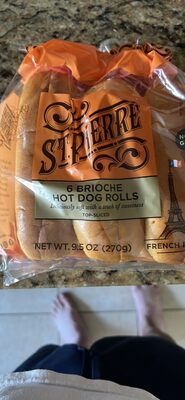
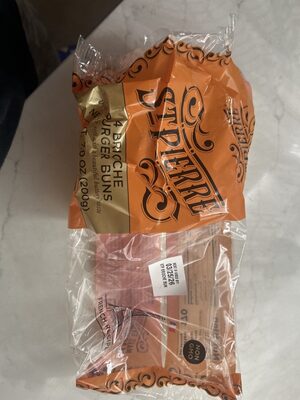
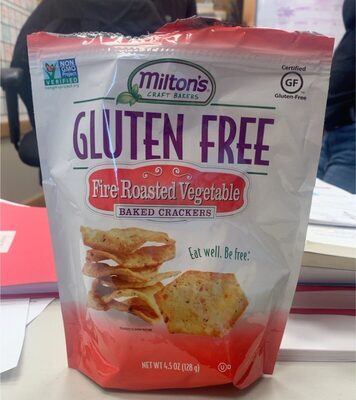
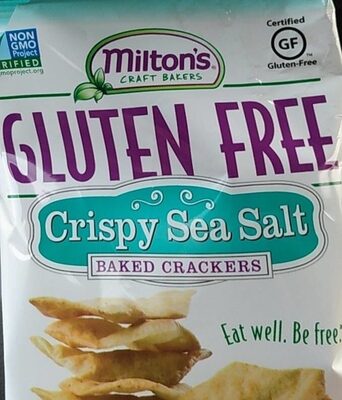
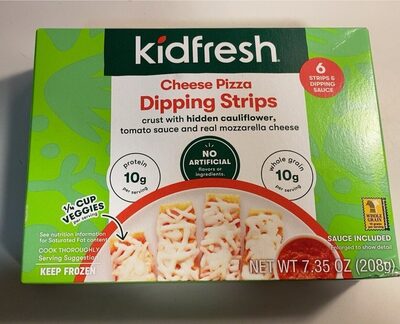
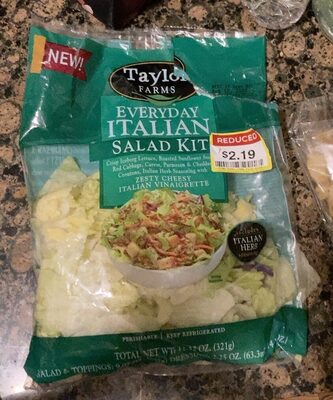
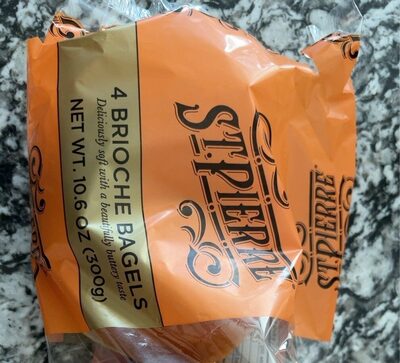
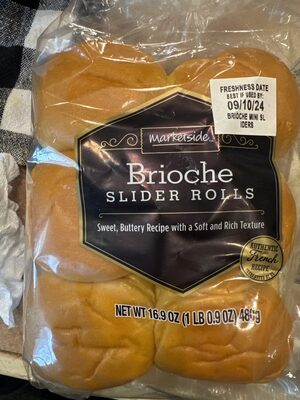
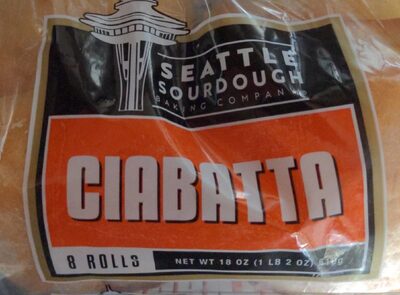
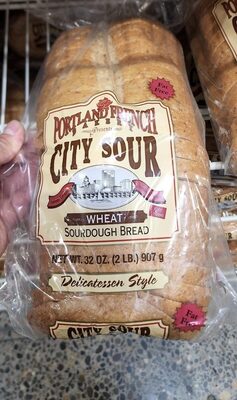
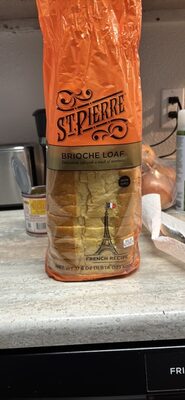
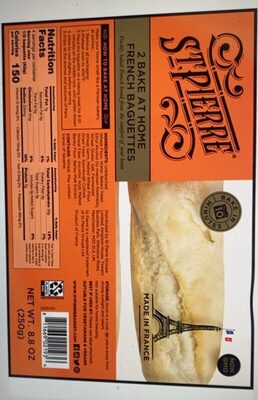
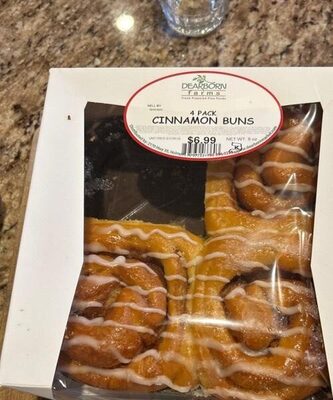
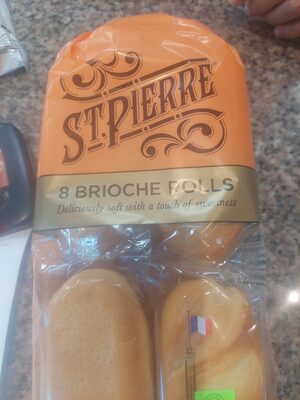
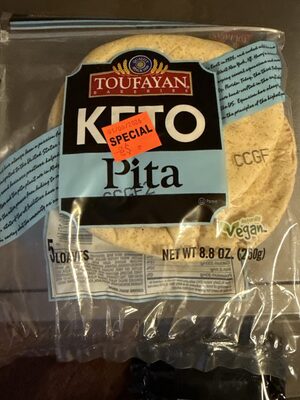
Foods that contain Bakers Yeast
Compare products →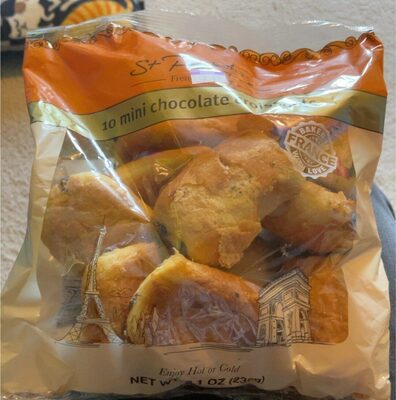

Auto-generated content. This description was generated automatically and is pending editorial review. Inaccuracies are possible. Found a mistake? Contact us.