Beef Sirloin
What is Beef Sirloin?
Beef sirloin is a cut of beef from the back of the cow, known for its tenderness and flavor. It is typically sold as steaks or roasts and can be prepared in various ways, including grilling, broiling, or pan-searing.
Is Beef Sirloin vegan?
No. Beef Sirloin is animal-derived, so it is not vegan.
Is Beef Sirloin gluten-free?
It does not contain gluten.
Is Beef Sirloin a major allergen?
Beef sirloin is not derived from any of the nine FDA major allergens.
What is Beef Sirloin used for?
Beef sirloin is often used as a primary protein source in meals, particularly in steaks and roasts.
Is Beef Sirloin safe?
Beef sirloin is a source of protein, iron, and B vitamins.
Why it's used
Beef sirloin is often used as a primary protein source in meals, particularly in steaks and roasts. In processed foods, it can be found in canned or frozen meals, soups, and prepared beef dishes, adding a savory meat flavor and texture.
Health notes
Beef sirloin is a source of protein, iron, and B vitamins. The U.S. Food and Drug Administration (FDA) considers beef sirloin a whole food, not an additive requiring approval. Dietary guidelines recommend lean protein sources as part of a balanced diet. High intake of red meat has been associated with certain health concerns in some studies, while other research suggests moderate consumption can be part of a healthy diet.
Allergen info
Beef sirloin is not derived from any of the nine FDA major allergens. It does not contain gluten.
Foods that contain Beef Sirloin
Compare products →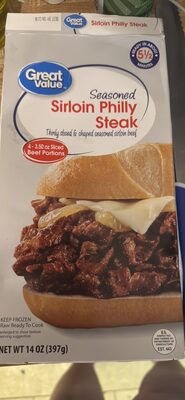
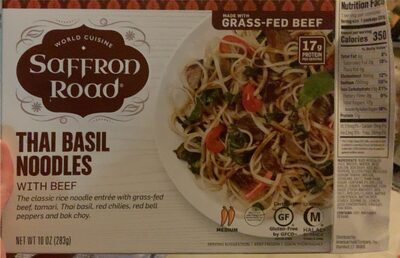
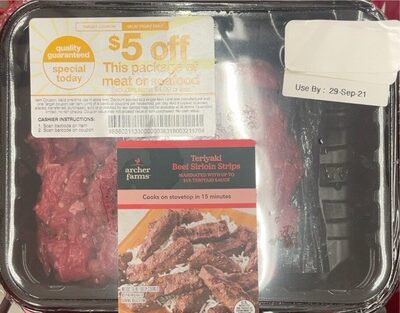
Learn more
Auto-generated content. This description was generated automatically and is pending editorial review. Inaccuracies are possible. Found a mistake? Contact us.