Bleached Wheat Flour Malted Barley Flour
Auto-generated content. This description was generated automatically and is pending editorial review. Inaccuracies are possible. Found a mistake? Contact us.
What it is
Bleached wheat flour is made from wheat grain that has had the bran and germ removed, then treated with an oxidizing agent to whiten it and speed up aging. This process results in a finer texture and improved baking performance compared to unbleached flour. Malted barley flour is made from barley grain that has been germinated and then dried, which develops enzymes that aid in baking.
Why it's used
These flours are commonly used in baked goods like cakes, cookies, pancakes, and pizza dough. The bleaching process improves the flour's ability to create a light and tender texture in finished products. Malted barley flour adds flavor and helps with browning and yeast activity in bread and other baked items.
Health notes
Bleached and malted barley flours are considered safe for consumption by the FDA. They are common ingredients in many staple foods. Regulatory bodies like JECFA and EFSA have evaluated similar flour products. While some people may have sensitivities to gluten found in wheat, these flours are generally recognized as safe when consumed as part of a balanced diet.
Allergen info
Wheat is one of the 9 FDA major allergens. Therefore, bleached wheat flour is a major allergen. Malted barley flour is derived from barley, which contains gluten. Gluten is not one of the 9 major allergens but can cause adverse reactions in individuals with celiac disease or gluten sensitivity.
Products containing Bleached Wheat Flour Malted Barley Flour
Compare products →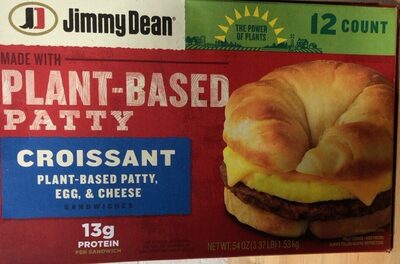 The Hillshire Brands Company
Egg, & Cheese Plant-Based Patty, Croissant Sandwiches, Egg, & Cheese
High in sodium — 23% DV per serving
High in saturated fat — 45% DV per serving
High in cholesterol — 30% DV per serving
286kcal
10.3Protein
16.7Fat
24.6Carbs
The Hillshire Brands Company
Egg, & Cheese Plant-Based Patty, Croissant Sandwiches, Egg, & Cheese
High in sodium — 23% DV per serving
High in saturated fat — 45% DV per serving
High in cholesterol — 30% DV per serving
286kcal
10.3Protein
16.7Fat
24.6Carbs