Bread Cubes
What is Bread Cubes?
Bread cubes are small pieces of dried or toasted bread. They are typically made from white or whole wheat bread that has been cut into uniform shapes and then dried or baked until firm and slightly crisp.
Is Bread Cubes vegan?
Bread Cubes is not animal-derived. Products that contain it can still include other animal-derived ingredients, so check the full ingredient list.
Is Bread Cubes gluten-free?
They may also contain gluten.
Is Bread Cubes a major allergen?
Bread cubes are typically made from wheat, which is one of the 9 FDA major allergens.
What is Bread Cubes used for?
Manufacturers use bread cubes as a base for stuffing and as a crunchy topping for casseroles and other dishes.
Is Bread Cubes safe?
Bread cubes are a common food ingredient and are generally recognized as safe by the FDA.
Why it's used
Manufacturers use bread cubes as a base for stuffing and as a crunchy topping for casseroles and other dishes. Their porous texture allows them to absorb flavors from liquids and seasonings, making them ideal for dishes like traditional Thanksgiving stuffing.
Health notes
Bread cubes are a common food ingredient and are generally recognized as safe by the FDA. They are primarily a source of carbohydrates. International bodies like JECFA and EFSA have evaluated many common food ingredients, but specific evaluations for plain bread cubes are not typically highlighted.
Allergen info
Bread cubes are typically made from wheat, which is one of the 9 FDA major allergens. They may also contain gluten. Not a major allergen if made from gluten-free bread.
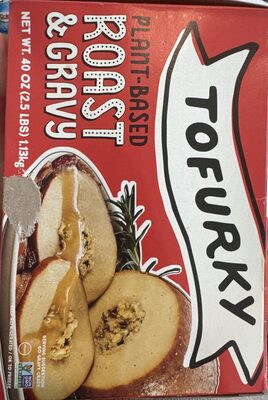
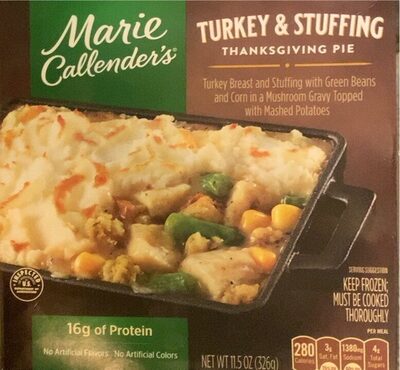
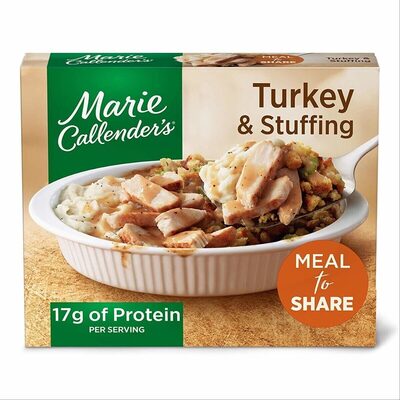
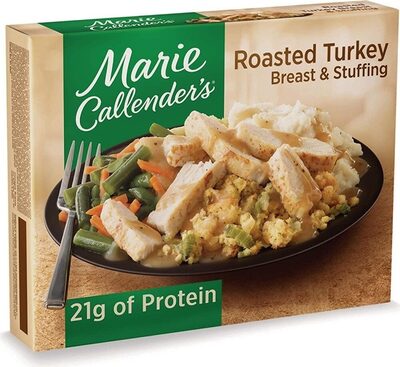
Foods that contain Bread Cubes
Compare products →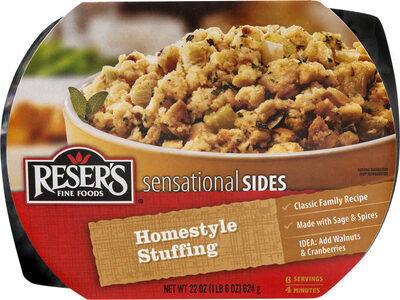
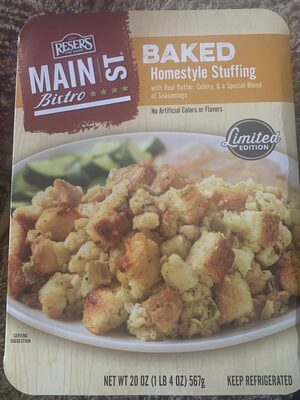
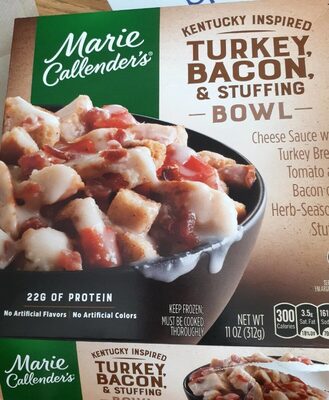
Learn more
Auto-generated content. This description was generated automatically and is pending editorial review. Inaccuracies are possible. Found a mistake? Contact us.