Broccoli Rabe
What is Broccoli Rabe?
Broccoli rabe, also known as rapini, is a leafy green vegetable with a slightly bitter taste. It is related to broccoli, cauliflower, and cabbage. The plant is grown for its edible leaves, stems, and flower buds.
Is Broccoli Rabe vegan?
Broccoli Rabe is not animal-derived. Products that contain it can still include other animal-derived ingredients, so check the full ingredient list.
Is Broccoli Rabe gluten-free?
It does not contain gluten.
Is Broccoli Rabe a major allergen?
Broccoli rabe is not one of the 9 FDA major allergens.
What is Broccoli Rabe used for?
Broccoli rabe is used as a vegetable in cooking, often sautéed with garlic and olive oil.
Is Broccoli Rabe safe?
Broccoli rabe is a nutrient-dense vegetable, providing vitamins and minerals.
Why it's used
Broccoli rabe is used as a vegetable in cooking, often sautéed with garlic and olive oil. It can be found in pasta dishes, as a side dish, or incorporated into other savory recipes. Its slightly bitter flavor adds complexity to meals.
Health notes
Broccoli rabe is a nutrient-dense vegetable, providing vitamins and minerals. It is not an added ingredient in the typical sense but rather a whole food. Regulatory bodies like the FDA do not typically evaluate whole vegetables for safety as additives. Research on the health effects of consuming vegetables like broccoli rabe generally supports their inclusion in a balanced diet.
Allergen info
Broccoli rabe is not one of the 9 FDA major allergens. It does not contain gluten.
Foods that contain Broccoli Rabe
Compare products →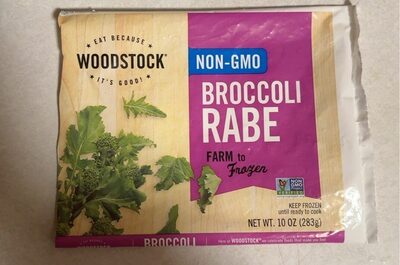
Auto-generated content. This description was generated automatically and is pending editorial review. Inaccuracies are possible. Found a mistake? Contact us.