Cabot Cheddar Cheese
What is Cabot Cheddar Cheese?
Cheddar cheese is a popular hard, natural cheese made from cow's milk. It originates from the village of Cheddar in Somerset, England. The cheesemaking process involves culturing milk, adding rennet to coagulate it, cutting and pressing the curds, and then aging the cheese.
Is Cabot Cheddar Cheese vegan?
No. Cabot Cheddar Cheese is animal-derived, so it is not vegan.
Is Cabot Cheddar Cheese a major allergen?
Cheddar cheese is derived from milk, which is one of the nine major food allergens identified by the FDA.
What is Cabot Cheddar Cheese used for?
Manufacturers add cheddar cheese to foods for its distinct savory flavor, creamy texture, and ability to melt well.
Is Cabot Cheddar Cheese safe?
As a food product, cheddar cheese is not regulated as a food additive by the FDA.
Why it's used
Manufacturers add cheddar cheese to foods for its distinct savory flavor, creamy texture, and ability to melt well. It is commonly found in dishes like macaroni and cheese, casseroles, sandwiches, and as a topping for various baked goods.
Health notes
As a food product, cheddar cheese is not regulated as a food additive by the FDA. It is a source of protein, calcium, and fat, including saturated fat. The Dietary Guidelines for Americans (2025-2030) recommend limiting saturated fat intake to less than 10% of daily calories.
Allergen info
Cheddar cheese is derived from milk, which is one of the nine major food allergens identified by the FDA.
Foods that contain Cabot Cheddar Cheese
Compare products →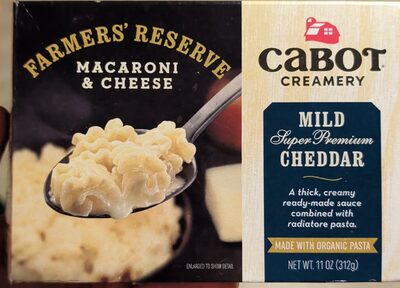
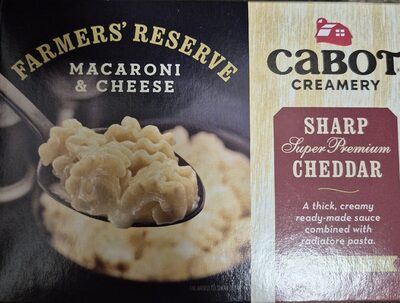
Learn more
Auto-generated content. This description was generated automatically and is pending editorial review. Inaccuracies are possible. Found a mistake? Contact us.