Cage-free Egg
What is Cage-free Egg?
A cage-free egg comes from hens that are not confined to cages. Instead, they are housed in open barns or aviaries, allowing them to roam freely. These eggs are produced and processed similarly to conventional eggs, with the primary difference being the housing conditions for the hens.
Is Cage-free Egg vegan?
No. Cage-free Egg is animal-derived, so it is not vegan.
Is Cage-free Egg a major allergen?
Eggs are one of the 9 major allergens identified by the FDA.
What is Cage-free Egg used for?
Eggs are a versatile ingredient used in a wide range of foods.
Is Cage-free Egg safe?
Eggs are a source of protein, vitamins, and minerals.
Why it's used
Eggs are a versatile ingredient used in a wide range of foods. They act as a binder, emulsifier, and leavening agent, contributing to texture and structure. Cage-free eggs are commonly found in baked goods like cakes and cupcakes, as well as in prepared meals, snacks, and breakfast items.
Health notes
Eggs are a source of protein, vitamins, and minerals. The FDA considers eggs to be a safe and nutritious food. There are no specific health concerns associated with the consumption of cage-free eggs compared to conventionally produced eggs at typical intake levels. Regulatory bodies like the WHO/FAO's JECFA have evaluated eggs as a foodstuff.
Allergen info
Eggs are one of the 9 major allergens identified by the FDA. Individuals with an egg allergy should avoid consuming products containing eggs.
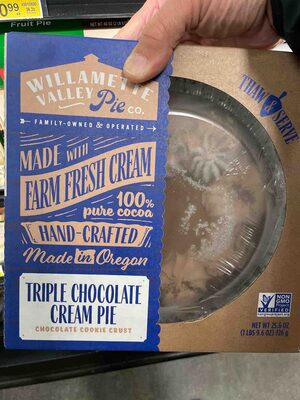
Foods that contain Cage-free Egg
Compare products →
Learn more
Auto-generated content. This description was generated automatically and is pending editorial review. Inaccuracies are possible. Found a mistake? Contact us.