Calcium Chloride Citric Acid
What is Calcium Chloride Citric Acid?
Calcium chloride is a salt made from calcium and chlorine. It is often produced industrially from limestone or as a byproduct of the Solvay process for making soda ash. It appears as white crystals or granules and dissolves easily in water.
Is Calcium Chloride Citric Acid vegan?
Calcium Chloride Citric Acid is not animal-derived. Products that contain it can still include other animal-derived ingredients, so check the full ingredient list.
Is Calcium Chloride Citric Acid a major allergen?
Not a major allergen.
What is Calcium Chloride Citric Acid used for?
Calcium chloride is used as a firming agent in canned fruits and vegetables, and to add a salty, tangy flavor to foods like pickles and olives.
Is Calcium Chloride Citric Acid safe?
Calcium chloride is Generally Recognized As Safe (GRAS) by the FDA for use in food.
Why it's used
Calcium chloride is used as a firming agent in canned fruits and vegetables, and to add a salty, tangy flavor to foods like pickles and olives. It also helps to improve the texture of cheeses and baked goods, and is used in some sports drinks to replenish electrolytes.
Health notes
Calcium chloride is Generally Recognized As Safe (GRAS) by the FDA for use in food. It is a source of calcium, which is essential for bone health. The Joint FAO/WHO Expert Committee on Food Additives (JECFA) has evaluated calcium chloride and established an Acceptable Daily Intake (ADI).
Allergen info
Not a major allergen.
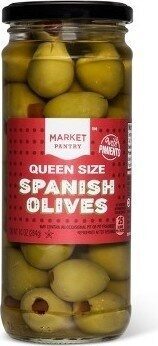
Foods that contain Calcium Chloride Citric Acid
Compare products →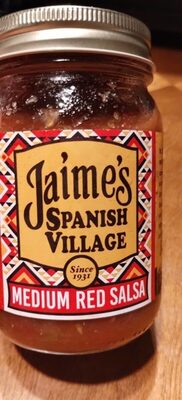

Auto-generated content. This description was generated automatically and is pending editorial review. Inaccuracies are possible. Found a mistake? Contact us.