Calcium Disodium EDTA To Protect Quality
What is Calcium Disodium EDTA To Protect Quality?
Calcium Disodium EDTA is a synthetic compound made from chemicals. It is a white, crystalline powder that is soluble in water. It is used as a food additive to help preserve quality.
Is Calcium Disodium EDTA To Protect Quality vegan?
Calcium Disodium EDTA To Protect Quality is not animal-derived. Products that contain it can still include other animal-derived ingredients, so check the full ingredient list.
Is Calcium Disodium EDTA To Protect Quality gluten-free?
It does not contain gluten.
Is Calcium Disodium EDTA To Protect Quality a major allergen?
Calcium Disodium EDTA is not derived from any of the nine FDA major allergens.
What is Calcium Disodium EDTA To Protect Quality used for?
Calcium Disodium EDTA is used to bind with metal ions, which can prevent them from causing unwanted changes in food.
Is Calcium Disodium EDTA To Protect Quality safe?
In the United States, Calcium Disodium EDTA is Generally Recognized As Safe (GRAS) by the FDA when used as a food additive.
Why it's used
Calcium Disodium EDTA is used to bind with metal ions, which can prevent them from causing unwanted changes in food. This helps to preserve the color, flavor, and texture of foods, especially those that are susceptible to oxidation. It is often found in dressings, sauces, and prepared meals.
Health notes
In the United States, Calcium Disodium EDTA is Generally Recognized As Safe (GRAS) by the FDA when used as a food additive. It is not absorbed by the body and is excreted unchanged. The Joint FAO/WHO Expert Committee on Food Additives (JECFA) and the European Food Safety Authority (EFSA) have also evaluated it. Some studies have explored its potential health benefits, but more research is needed.
Allergen info
Calcium Disodium EDTA is not derived from any of the nine FDA major allergens. It does not contain gluten.
Foods that contain Calcium Disodium EDTA To Protect Quality
Compare products →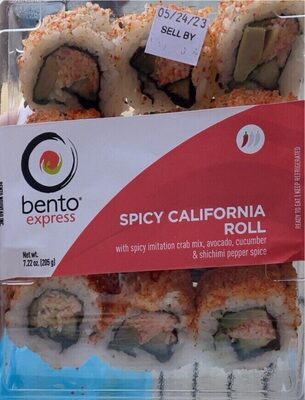
Auto-generated content. This description was generated automatically and is pending editorial review. Inaccuracies are possible. Found a mistake? Contact us.