Celery Stalk
What is Celery Stalk?
Celery stalk is the long, fibrous stalk of the celery plant, typically eaten raw or cooked. It is a common vegetable in many cuisines and is grown worldwide. The stalks are usually harvested and then cleaned before being used in food.
Is Celery Stalk vegan?
Celery Stalk is not animal-derived. Products that contain it can still include other animal-derived ingredients, so check the full ingredient list.
Is Celery Stalk a major allergen?
Celery is not one of the nine major allergens recognized by the FDA.
What is Celery Stalk used for?
Celery stalk is often used as a flavoring agent in soups, stews, and sauces, providing a savory, slightly bitter taste.
Is Celery Stalk safe?
Celery stalk is generally recognized as safe (GRAS) by the FDA for use as a food ingredient.
Why it's used
Celery stalk is often used as a flavoring agent in soups, stews, and sauces, providing a savory, slightly bitter taste. It can also be used as a vegetable in salads, stir-fries, and as a snack. Manufacturers use it to add a fresh, vegetal note to a variety of savory products.
Health notes
Celery stalk is generally recognized as safe (GRAS) by the FDA for use as a food ingredient. It is a source of fiber and various vitamins and minerals. International bodies like JECFA have evaluated celery and its components, but no specific health concerns are typically associated with its consumption at normal dietary levels. Evidence does not suggest adverse health effects from eating celery stalks as part of a balanced diet.
Allergen info
Celery is not one of the nine major allergens recognized by the FDA. However, some individuals can have an allergy to celery, which can cause reactions ranging from mild to severe.
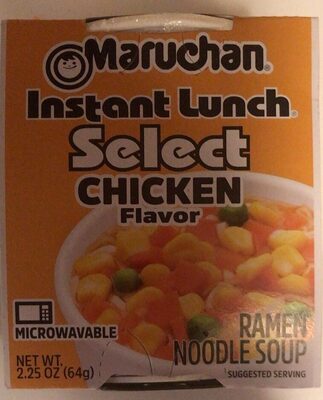
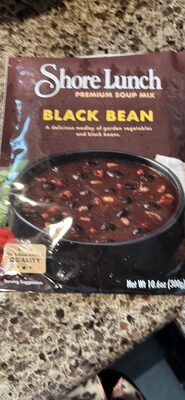
Foods that contain Celery Stalk
Compare products →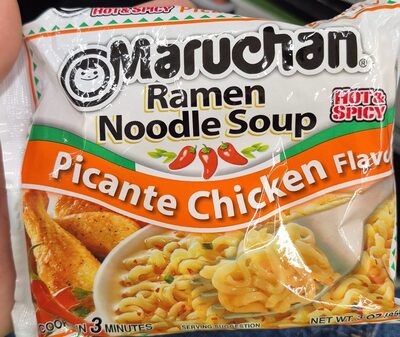


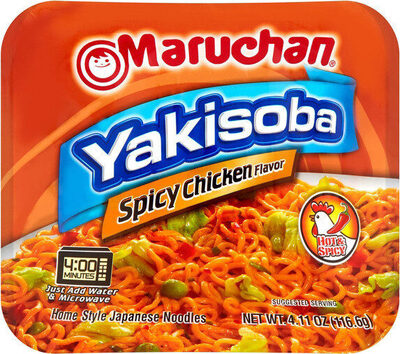
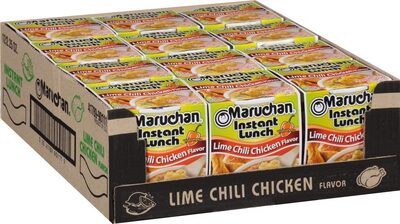
Auto-generated content. This description was generated automatically and is pending editorial review. Inaccuracies are possible. Found a mistake? Contact us.