Cheddar & Romano Cheeses
Auto-generated content. This description was generated automatically and is pending editorial review. Inaccuracies are possible. Found a mistake? Contact us.
What it is
Cheddar and Romano are hard, aged cheeses. Cheddar is typically made from cow's milk, while Romano is traditionally made from sheep's milk. Both are produced by coagulating milk protein, draining the whey, and then aging the curd.
Why it's used
These cheeses add a savory, salty, and sharp flavor to foods. They are often used as toppings or incorporated into sauces and fillings, particularly in Italian-American dishes like pizza, pasta, and gratins.
Health notes
Cheddar and Romano cheeses are generally recognized as safe (GRAS) by the FDA as food ingredients. They are a source of protein, calcium, and vitamin B12. Like other dairy products, they contain saturated fat and sodium. Regulatory bodies like EFSA have evaluated cheese as a food category.
Allergen info
Cheddar and Romano cheeses are derived from milk, which is one of the 9 FDA major allergens. They do not contain gluten.
Products containing Cheddar & Romano Cheeses
Compare products →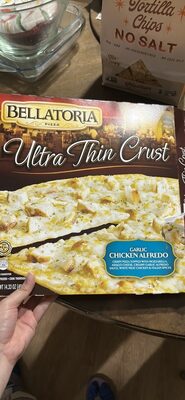 Bernatello's Pizza, Inc.
Ultra Thin Crust Pizza
High in sodium — 38% DV per serving
High in saturated fat — 35% DV per serving
212kcal
15.2Protein
9.9Fat
17.9Carbs
Bernatello's Pizza, Inc.
Pan Pizza, Chicken Carbonara
High in sodium — 39% DV per serving
High in saturated fat — 20% DV per serving
222kcal
14.1Protein
7.4Fat
27.4Carbs
Bernatello's Pizza, Inc.
Ultra Thin Crust Pizza
High in sodium — 38% DV per serving
High in saturated fat — 35% DV per serving
212kcal
15.2Protein
9.9Fat
17.9Carbs
Bernatello's Pizza, Inc.
Pan Pizza, Chicken Carbonara
High in sodium — 39% DV per serving
High in saturated fat — 20% DV per serving
222kcal
14.1Protein
7.4Fat
27.4Carbs
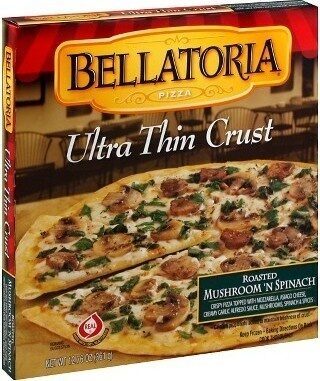 Bernatello's Pizza, Inc.
Ultra Thin Crust Pizza, Roasted Mushroom 'N' Spinach
High in sodium — 23% DV per serving
High in saturated fat — 30% DV per serving
240kcal
10.4Protein
13.6Fat
20Carbs
Bernatello's Pizza, Inc.
Margherita Deluxe Pan Pizza
High in sodium — 33% DV per serving
High in saturated fat — 23% DV per serving
235kcal
11.0Protein
10.3Fat
26.5Carbs
Bernatello's Pizza, Inc.
Ultra Thin Crust Pizza, Broccoli, Bacon & Cheddar
High in sodium — 39% DV per serving
High in saturated fat — 50% DV per serving
245kcal
13.9Protein
13.9Fat
17.2Carbs
Bernatello's Pizza, Inc.
Italia Meat Trio Pan Pizza
High in sodium — 40% DV per serving
High in saturated fat — 35% DV per serving
268kcal
12.3Protein
13.8Fat
26.1Carbs
Bernatello's Pizza, Inc.
Ultra Thin Crust Pizza, Roasted Mushroom 'N' Spinach
High in sodium — 23% DV per serving
High in saturated fat — 30% DV per serving
240kcal
10.4Protein
13.6Fat
20Carbs
Bernatello's Pizza, Inc.
Margherita Deluxe Pan Pizza
High in sodium — 33% DV per serving
High in saturated fat — 23% DV per serving
235kcal
11.0Protein
10.3Fat
26.5Carbs
Bernatello's Pizza, Inc.
Ultra Thin Crust Pizza, Broccoli, Bacon & Cheddar
High in sodium — 39% DV per serving
High in saturated fat — 50% DV per serving
245kcal
13.9Protein
13.9Fat
17.2Carbs
Bernatello's Pizza, Inc.
Italia Meat Trio Pan Pizza
High in sodium — 40% DV per serving
High in saturated fat — 35% DV per serving
268kcal
12.3Protein
13.8Fat
26.1Carbs
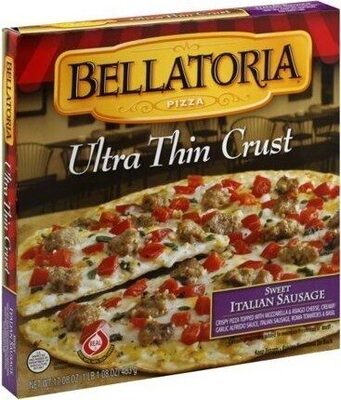 Bernatello's Pizza, Inc.
Ultra Thin Crust Sweet Italian Sausage Pizza
High in sodium — 26% DV per serving
High in saturated fat — 22% DV per serving
217kcal
11.7Protein
11.7Fat
17.5Carbs
Bernatello's Pizza, Inc.
Chicken Alfredo Pizza
High in sodium — 45% DV per serving
High in saturated fat — 35% DV per serving
264kcal
18.6Protein
10Fat
26.4Carbs
Bernatello's Pizza, Inc.
Ultra Thin Crust Sweet Italian Sausage Pizza
High in sodium — 26% DV per serving
High in saturated fat — 22% DV per serving
217kcal
11.7Protein
11.7Fat
17.5Carbs
Bernatello's Pizza, Inc.
Chicken Alfredo Pizza
High in sodium — 45% DV per serving
High in saturated fat — 35% DV per serving
264kcal
18.6Protein
10Fat
26.4Carbs