Chicken Bones
What is Chicken Bones?
Chicken bones are the skeletal remains of chickens, primarily composed of calcium phosphate and collagen. They are a byproduct of poultry processing. While often discarded, they can be simmered to create broths and stocks, extracting flavor and nutrients.
Is Chicken Bones vegan?
No. Chicken Bones is animal-derived, so it is not vegan.
Is Chicken Bones a major allergen?
Chicken is not one of the FDA's nine major allergens.
What is Chicken Bones used for?
Chicken bones are primarily used to create rich, flavorful broths and stocks, which serve as a base for soups, stews, sauces, and gravies.
Is Chicken Bones safe?
Chicken bones themselves are not typically regulated as a food additive.
Why it's used
Chicken bones are primarily used to create rich, flavorful broths and stocks, which serve as a base for soups, stews, sauces, and gravies. They contribute body, color, and a savory taste (umami) to these products.
Health notes
Chicken bones themselves are not typically regulated as a food additive. When used to make broth, the resulting product is generally recognized as safe by the FDA. International bodies like JECFA have evaluated components of bone broth, such as collagen, but have not set specific limits for chicken bones as a food ingredient. Evidence does not suggest adverse health effects from consuming foods containing chicken bone broth at typical levels.
Allergen info
Chicken is not one of the FDA's nine major allergens. Therefore, chicken bones are not considered a major allergen.
Foods that contain Chicken Bones
Compare products →


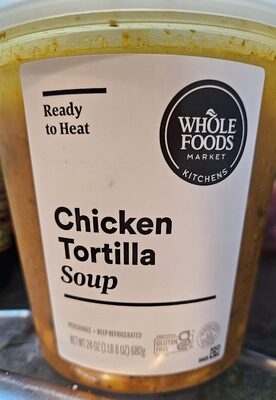





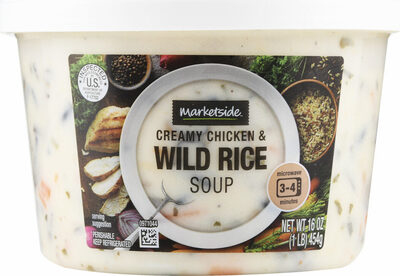




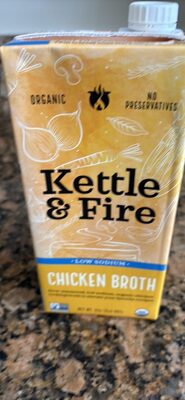
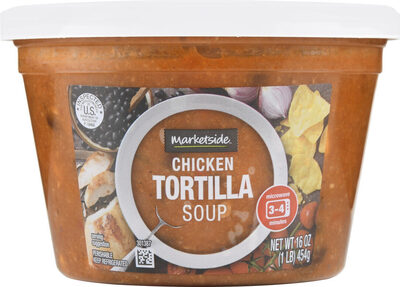




Auto-generated content. This description was generated automatically and is pending editorial review. Inaccuracies are possible. Found a mistake? Contact us.