Auto-generated content.
This description was generated automatically and is pending editorial review.
Inaccuracies are possible. Found a mistake? Contact us.
Source
Not animal-derived
Allergen
No
Role in food
Citric acid is widely used as a flavoring agent to impart a tart or …
What it is
Citric acid is a weak organic acid found naturally in citrus fruits like lemons and limes. It is commercially produced by the fermentation of a sugar source, typically from corn, using a specific strain of the mold Aspergillus niger.
Why it's used
Citric acid is widely used as a flavoring agent to impart a tart or sour taste, and as a preservative to prevent spoilage. It also functions as an acidity regulator, emulsifier, and antioxidant in a variety of foods, including beverages, candies, jams, and processed fruits and vegetables.
Health notes
Citric acid is generally recognized as safe (GRAS) by the FDA for use in food. It is a common dietary component and is metabolized through the body's normal energy pathways. International bodies like JECFA and EFSA have evaluated citric acid and its salts, finding them safe for consumption without setting a specific numerical limit. There are no widespread controversies regarding its use at typical dietary levels.
Allergen info
Citric acid is not derived from any of the nine FDA major allergens. It does not contain gluten.
Note:
This site presents label data from USDA FoodData Central for general information. It is not medical advice.
Check the package label; formulations change.
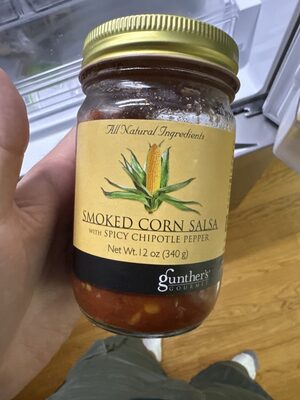 Gunther's Gourmet Groceries, L.L.C.
Gunther's Gourmet, Spicy Chipotle Pepper & Smoked Corn Salsa
0kcal
0Protein
0Fat
7.1Carbs
Gunther's Gourmet Groceries, L.L.C.
Gunther's Gourmet, Spicy Chipotle Pepper & Smoked Corn Salsa
0kcal
0Protein
0Fat
7.1Carbs