Colby
What is Colby?
Colby is a semi-hard American cheese made from cow's milk. It is similar to cheddar but has a milder flavor and a more open texture with small holes. Colby cheese is typically made by washing the curds, which removes some of the lactic acid and results in a sweeter, softer cheese.
Is Colby vegan?
No. Colby is animal-derived, so it is not vegan.
Is Colby gluten-free?
It does not contain gluten.
Is Colby a major allergen?
Colby is derived from milk, which is one of the nine major allergens recognized by the FDA.
What is Colby used for?
Colby is commonly used as a table cheese for snacking and in sandwiches.
Is Colby safe?
Colby is generally recognized as safe (GRAS) by the FDA when used as a food ingredient.
Why it's used
Colby is commonly used as a table cheese for snacking and in sandwiches. It also melts well, making it suitable for use in casseroles, grilled cheese sandwiches, and cheese sauces. Its mild flavor complements a variety of dishes without overpowering other ingredients.
Health notes
Colby is generally recognized as safe (GRAS) by the FDA when used as a food ingredient. As a dairy product, it is a source of protein, calcium, and vitamin D. Regulatory bodies like JECFA have evaluated cheese and dairy products, and they are considered safe as part of a balanced diet. No significant health concerns are associated with the typical consumption of Colby cheese.
Allergen info
Colby is derived from milk, which is one of the nine major allergens recognized by the FDA. It does not contain gluten.
Foods that contain Colby
Compare products →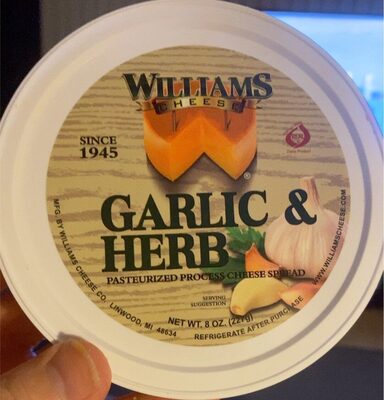
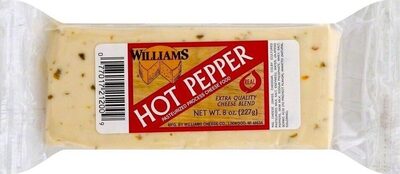

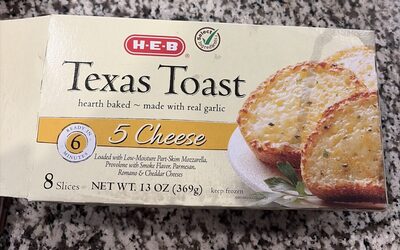
Learn more
Auto-generated content. This description was generated automatically and is pending editorial review. Inaccuracies are possible. Found a mistake? Contact us.