Confectionery Coatings
Auto-generated content. This description was generated automatically and is pending editorial review. Inaccuracies are possible. Found a mistake? Contact us.
What it is
Confectionery coatings are edible layers applied to foods like candies, nuts, and baked goods. They are typically made from sugar, vegetable oil, and flavorings, and sometimes include milk solids or cocoa. These coatings are designed to harden and provide a smooth, protective shell.
Why it's used
Manufacturers use confectionery coatings to improve the appearance, texture, and shelf life of products. They add a sweet flavor and a satisfying crunch or smooth mouthfeel. Common foods include candies, chocolates, cookies, and snack items like pretzels and popcorn.
Health notes
Confectionery coatings are generally recognized as safe (GRAS) by the FDA when used as intended. They are primarily composed of sugar and fat, and excessive consumption of such ingredients can contribute to increased calorie intake. JECFA and EFSA have evaluated many of the individual components used in these coatings.
Allergen info
Confectionery coatings may contain major allergens such as milk or soy, depending on the specific ingredients used. They are not typically a source of gluten. Always check the product label for specific allergen information.
Products containing Confectionery Coatings
Compare products →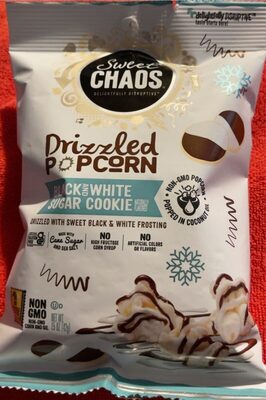 Kenny's Candy Company Inc.
Black White Sugar Cookie Flavored Drizzled Popcorn, Blacke White Sugar Cookie
High in saturated fat — 45% DV per serving
High in added sugars — 34% DV per serving
500kcal
4.8Protein
23.8Fat
64.3Carbs
Kenny's Candy Company Inc.
Black White Sugar Cookie Flavored Drizzled Popcorn, Blacke White Sugar Cookie
High in saturated fat — 45% DV per serving
High in added sugars — 34% DV per serving
500kcal
4.8Protein
23.8Fat
64.3Carbs
 Perfect Snax Prime, LLC
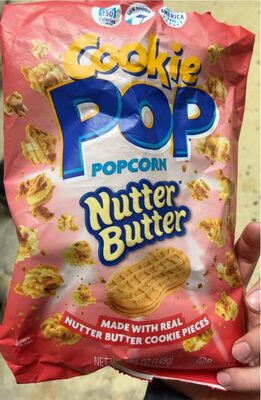
Nutter Butter Popcorn, Nutter Butter
High in added sugars — 22% DV per serving
500kcal
3.3Protein
26.7Fat
63.3Carbs
Perfect Snax Prime, LLC
Nutter Butter Popcorn, Nutter Butter
High in added sugars — 22% DV per serving
500kcal
3.3Protein
26.7Fat
63.3Carbs
 Palmer Candy Company
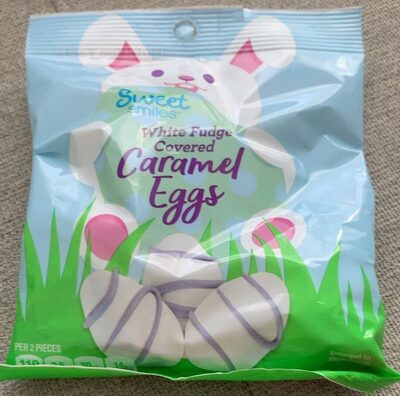
White Fudge Covered Caramel Eggs, White Fudge Covered
High in added sugars — 22% DV per serving
440kcal
0Protein
12Fat
68Carbs
Wal-Mart Stores, Inc.
Jingle Mix, Jingle
High in saturated fat — 22% DV per serving
High in added sugars — 24% DV per serving
467kcal
10Protein
20Fat
63.3Carbs
Palmer Candy Company
White Fudge Covered Caramel Eggs, White Fudge Covered
High in added sugars — 22% DV per serving
440kcal
0Protein
12Fat
68Carbs
Wal-Mart Stores, Inc.
Jingle Mix, Jingle
High in saturated fat — 22% DV per serving
High in added sugars — 24% DV per serving
467kcal
10Protein
20Fat
63.3Carbs