Contain Milk
Auto-generated content. This description was generated automatically and is pending editorial review. Inaccuracies are possible. Found a mistake? Contact us.
What it is
Milk is a nutrient-rich liquid food produced by the mammary glands of mammals, most commonly cows for human consumption. It is a primary source of nutrition for infant mammals before they are old enough to digest solid food. In commercial food production, milk is typically pasteurized to kill harmful bacteria and homogenized to prevent fat separation.
Why it's used
Milk and its derivatives are used in a wide variety of foods for their flavor, texture, and nutritional value. They act as emulsifiers, stabilizers, and contribute to browning and richness. Milk is a key ingredient in dairy products like cheese and yogurt, and is found in baked goods, sauces, soups, and beverages.
Health notes
Milk is a source of protein, calcium, and vitamin D. For most people, milk is safe to consume. However, some individuals are lactose intolerant, meaning they have difficulty digesting lactose, the sugar in milk, which can lead to digestive discomfort. Others may have a milk allergy, an immune response to milk proteins, which can cause more severe reactions. The FDA recognizes milk as a major food allergen. Regulatory bodies like EFSA have evaluated milk and its components.
Allergen info
Milk is one of the nine major food allergens recognized by the FDA. It is not related to gluten.
Products containing Contain Milk
Compare products →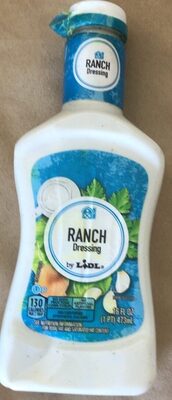 LIDL
Creamy Ranch Dressing, Creamy Ranch
433kcal
0Protein
46.7Fat
3.3Carbs
LIDL
Creamy Ranch Dressing, Creamy Ranch
433kcal
0Protein
46.7Fat
3.3Carbs
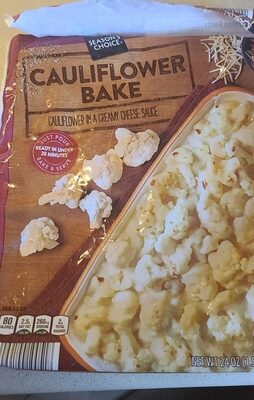 SEASON'S CHOICE
Cauliflower Bake In A Creamy Cheese Sauce, Cauliflower Bake
88kcal
3.5Protein
5.3Fat
5.3Carbs
SEASON'S CHOICE
Cauliflower Bake In A Creamy Cheese Sauce, Cauliflower Bake
88kcal
3.5Protein
5.3Fat
5.3Carbs
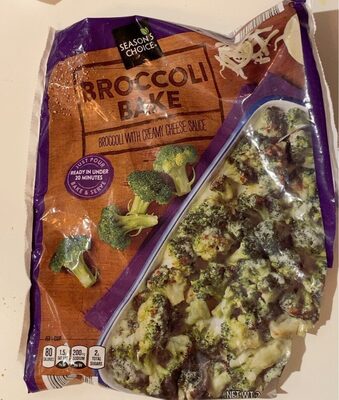 SEASON'S CHOICE
Broccoli Bake In A Creamy Cheesy Sauce
79kcal
3.5Protein
4.4Fat
7.0Carbs
Easy Street
Piselli, Iclassici Chocolate Biscuit, Cocoa & Hazelnuts, Cocoa & Hazelnuts
High in saturated fat — 25% DV per serving
493kcal
8.9Protein
22.2Fat
64.4Carbs
Wal-Mart Stores, Inc.
Sam's Choice, Sriracha Ranch Dressing
400kcal
0Protein
43.3Fat
6.7Carbs
SEASON'S CHOICE
Broccoli Bake In A Creamy Cheesy Sauce
79kcal
3.5Protein
4.4Fat
7.0Carbs
Easy Street
Piselli, Iclassici Chocolate Biscuit, Cocoa & Hazelnuts, Cocoa & Hazelnuts
High in saturated fat — 25% DV per serving
493kcal
8.9Protein
22.2Fat
64.4Carbs
Wal-Mart Stores, Inc.
Sam's Choice, Sriracha Ranch Dressing
400kcal
0Protein
43.3Fat
6.7Carbs
 Supervalu, Inc.
Light Ranch Dressing, Light Ranch
267kcal
0Protein
23.3Fat
10Carbs
Supervalu, Inc.
Light Ranch Dressing, Light Ranch
267kcal
0Protein
23.3Fat
10Carbs
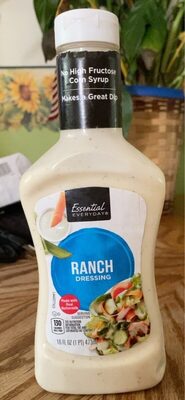 Supervalu, Inc.
Ranch Dressing, Ranch
433kcal
0Protein
46.7Fat
6.7Carbs
Bi-Lo Inc.
Classic Ranch Dressing, Classic Ranch
433kcal
0Protein
46.7Fat
6.7Carbs
Bi-Lo Inc.
Classic Ranch Dressing
433kcal
0Protein
46.7Fat
6.7Carbs
Supervalu, Inc.
Ranch Dressing, Ranch
433kcal
0Protein
46.7Fat
6.7Carbs
Bi-Lo Inc.
Classic Ranch Dressing, Classic Ranch
433kcal
0Protein
46.7Fat
6.7Carbs
Bi-Lo Inc.
Classic Ranch Dressing
433kcal
0Protein
46.7Fat
6.7Carbs
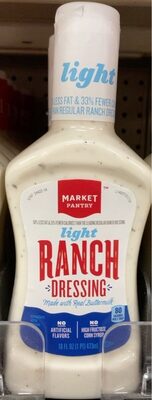 Target Stores
Light Ranch Dressing, Light Ranch
267kcal
0Protein
23.3Fat
10Carbs
Sotto I Trulli, Inc.
Holiday Cookie Collection, Holiday
474kcal
5.3Protein
23.7Fat
52.6Carbs
Target Stores
Light Ranch Dressing, Light Ranch
267kcal
0Protein
23.3Fat
10Carbs
Sotto I Trulli, Inc.
Holiday Cookie Collection, Holiday
474kcal
5.3Protein
23.7Fat
52.6Carbs
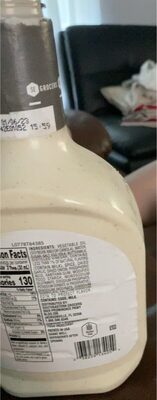 Bi-Lo Inc.
Classic Ranch Dressing, Classic
433kcal
0Protein
46.7Fat
6.7Carbs
Bi-Lo Inc.
Classic Ranch Dressing, Classic
433kcal
0Protein
46.7Fat
6.7Carbs