Contains Erythorbic Acid
Auto-generated content. This description was generated automatically and is pending editorial review. Inaccuracies are possible. Found a mistake? Contact us.
What it is
Erythorbic acid is a vitamin C isomer, meaning it has a similar chemical structure but is not vitamin C. It is produced commercially by the fermentation of a sugar source, such as corn starch, using specific microorganisms.
Why it's used
Manufacturers add erythorbic acid to foods as an antioxidant to help preserve color and flavor and to prevent spoilage. It is often found in cured meats, processed fruits and vegetables, baked goods, and beverages.
Health notes
In the U.S., erythorbic acid is generally recognized as safe (GRAS) by the FDA when used for its intended purpose. It is not metabolized by the body like vitamin C, so it does not provide vitamin C activity. International bodies like JECFA and EFSA have evaluated erythorbic acid and its salts, and have established acceptable daily intakes. Evidence does not suggest adverse health effects at typical consumption levels.
Allergen info
Erythorbic acid is not derived from any of the nine FDA major allergens. It does not contain gluten.
Products containing Contains Erythorbic Acid
Compare products →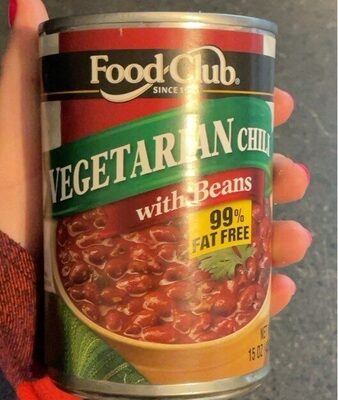 Topco Associates, Inc.
Vegetarian Chili With Beans
High in sodium — 34% DV per serving
42kcal
2.4Protein
0.2Fat
7.8Carbs
Hormel Foods Corporation
Macaroni & Cheese
High in sodium — 32% DV per serving
High in saturated fat — 40% DV per serving
136kcal
6.6Protein
6.1Fat
13.2Carbs
Hormel Foods Corporation
Chicken And Quinoa With Vegetables In Sauce
High in sodium — 29% DV per serving
High in cholesterol — 25% DV per serving
122kcal
9.9Protein
6.1Fat
7.0Carbs
Topco Associates, Inc.
Vegetarian Chili With Beans
High in sodium — 34% DV per serving
42kcal
2.4Protein
0.2Fat
7.8Carbs
Hormel Foods Corporation
Macaroni & Cheese
High in sodium — 32% DV per serving
High in saturated fat — 40% DV per serving
136kcal
6.6Protein
6.1Fat
13.2Carbs
Hormel Foods Corporation
Chicken And Quinoa With Vegetables In Sauce
High in sodium — 29% DV per serving
High in cholesterol — 25% DV per serving
122kcal
9.9Protein
6.1Fat
7.0Carbs
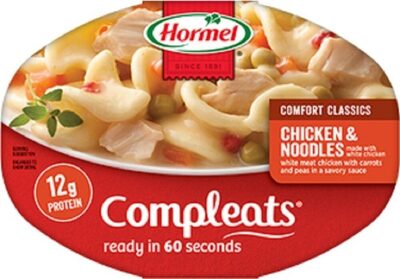 Hormel Foods Corporation
Chicken & Noodles White Meat Chicken With Carrots And Peas In A Savory Sauce, Chicken & Noodles
High in sodium — 37% DV per serving
85kcal
5.6Protein
2.8Fat
9.4Carbs
The Kroger Co.
Noodles Chicken, White Chicken Meat
High in sodium — 43% DV per serving
90kcal
3.3Protein
4.2Fat
9.4Carbs
Hormel Foods Corporation
Macaroni & Cheese Tender Macaroni In A Creamy Cheese Sauce, Macaroni & Cheese
High in sodium — 32% DV per serving
High in saturated fat — 40% DV per serving
146kcal
6.6Protein
7.5Fat
13.2Carbs
Hormel Foods Corporation
Chicken & Noodles White Meat Chicken With Carrots And Peas In A Savory Sauce, Chicken & Noodles
High in sodium — 37% DV per serving
85kcal
5.6Protein
2.8Fat
9.4Carbs
The Kroger Co.
Noodles Chicken, White Chicken Meat
High in sodium — 43% DV per serving
90kcal
3.3Protein
4.2Fat
9.4Carbs
Hormel Foods Corporation
Macaroni & Cheese Tender Macaroni In A Creamy Cheese Sauce, Macaroni & Cheese
High in sodium — 32% DV per serving
High in saturated fat — 40% DV per serving
146kcal
6.6Protein
7.5Fat
13.2Carbs