Cooked Ramen Noodles
What is Cooked Ramen Noodles?
Cooked ramen noodles are a type of instant noodle dish made from wheat flour, water, salt, and often a kansui (an alkaline mineral water). They are typically pre-cooked by steaming or boiling and then dried or packaged with a seasoning packet. Ramen noodles have a chewy texture and are a staple in Japanese cuisine.
Is Cooked Ramen Noodles gluten-free?
They also contain gluten.
Is Cooked Ramen Noodles a major allergen?
Cooked ramen noodles are made from wheat, which is one of the 9 FDA major allergens.
What is Cooked Ramen Noodles used for?
Manufacturers use cooked ramen noodles as a convenient and versatile base for quick meals.
Is Cooked Ramen Noodles safe?
Cooked ramen noodles are primarily a source of carbohydrates.
Why it's used
Manufacturers use cooked ramen noodles as a convenient and versatile base for quick meals. They are commonly found in instant noodle bowls, soups, and stir-fries. Their quick preparation time and satisfying texture make them popular in ready-to-eat meals and frozen entrees.
Health notes
Cooked ramen noodles are primarily a source of carbohydrates. The FDA considers wheat a major allergen. While generally recognized as safe (GRAS) as a food ingredient, the high sodium content in many instant ramen seasoning packets can be a concern for individuals monitoring their sodium intake. JECFA and EFSA have evaluated various food additives used in ramen products, but not the noodles themselves.
Allergen info
Cooked ramen noodles are made from wheat, which is one of the 9 FDA major allergens. They also contain gluten. Not a major allergen unless wheat is present.
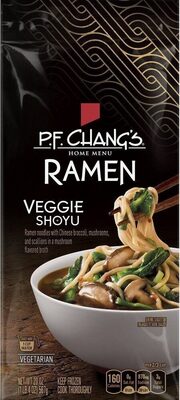
Foods that contain Cooked Ramen Noodles
Compare products →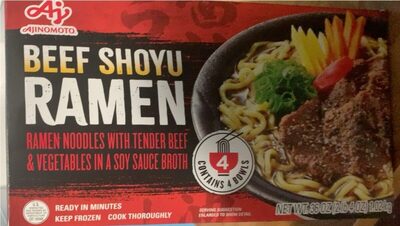

Learn more
Auto-generated content. This description was generated automatically and is pending editorial review. Inaccuracies are possible. Found a mistake? Contact us.