Copper Sulphate
What is Copper Sulphate?
Copper sulfate is an inorganic salt that appears as blue crystals. It is produced by reacting copper metal or copper oxides with sulfuric acid. It is sometimes used in food processing.
Is Copper Sulphate vegan?
Copper Sulphate is not animal-derived. Products that contain it can still include other animal-derived ingredients, so check the full ingredient list.
Is Copper Sulphate gluten-free?
It does not contain gluten.
Is Copper Sulphate a major allergen?
Copper sulfate is not derived from any of the nine FDA major allergens.
What is Copper Sulphate used for?
Copper sulfate is sometimes used as a nutrient to fortify foods, particularly in animal feed.
Is Copper Sulphate safe?
In the U.S., copper is an essential nutrient, and copper sulfate can be used as a source of copper in animal feed.
Why it's used
Copper sulfate is sometimes used as a nutrient to fortify foods, particularly in animal feed. In some regions, it has been used as a food additive to preserve the color of certain fruits and vegetables, and as a firming agent.
Health notes
In the U.S., copper is an essential nutrient, and copper sulfate can be used as a source of copper in animal feed. The FDA has not approved copper sulfate for direct use in human food. The Joint FAO/WHO Expert Committee on Food Additives (JECFA) has evaluated copper sulfate and established an acceptable daily intake. Evidence regarding the effects of copper sulfate at typical human intake levels is limited.
Allergen info
Copper sulfate is not derived from any of the nine FDA major allergens. It does not contain gluten.
Foods that contain Copper Sulphate
Compare products →
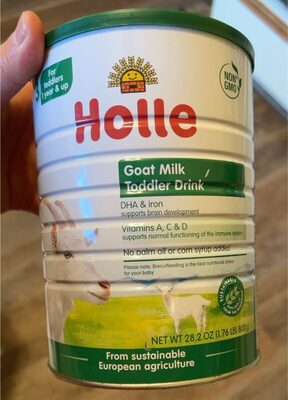 Holle
Goat Milk Stage 3 For Toddlers 1 Year & Up Toddler Drink
523kcal
11.6Protein
26.2Fat
58.1Carbs
Learn more
Auto-generated content. This description was generated automatically and is pending editorial review. Inaccuracies are possible. Found a mistake? Contact us.