Corn Dextrin
What is Corn Dextrin?
Corn dextrin is a type of soluble fiber made from corn starch. It is produced by heating corn starch and then breaking it down into smaller molecules. This process results in a white, odorless powder that dissolves easily in water.
Is Corn Dextrin vegan?
Corn Dextrin is not animal-derived. Products that contain it can still include other animal-derived ingredients, so check the full ingredient list.
Is Corn Dextrin gluten-free?
It does not contain gluten.
Is Corn Dextrin a major allergen?
Corn dextrin is derived from corn, which is not one of the nine major allergens.
What is Corn Dextrin used for?
Manufacturers use corn dextrin as a dietary fiber supplement and a bulking agent in foods.
Is Corn Dextrin safe?
Corn dextrin is generally recognized as safe (GRAS) by the FDA for use in food.
Why it's used
Manufacturers use corn dextrin as a dietary fiber supplement and a bulking agent in foods. It can also act as a stabilizer and emulsifier, helping to bind ingredients together. You can find it in baked goods, cereals, and snack foods.
Health notes
Corn dextrin is generally recognized as safe (GRAS) by the FDA for use in food. It is a source of soluble fiber, which may help support digestive health. The Joint FAO/WHO Expert Committee on Food Additives (JECFA) has evaluated corn dextrin. Evidence on its effects on blood sugar and cholesterol levels is mixed, with some studies showing a modest benefit and others showing little to no effect.
Allergen info
Corn dextrin is derived from corn, which is not one of the nine major allergens. It does not contain gluten.
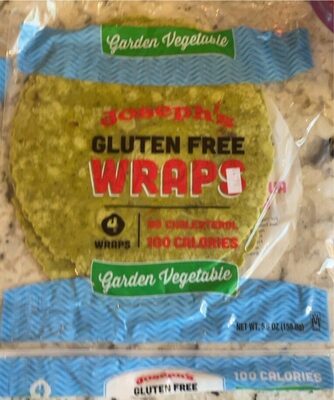
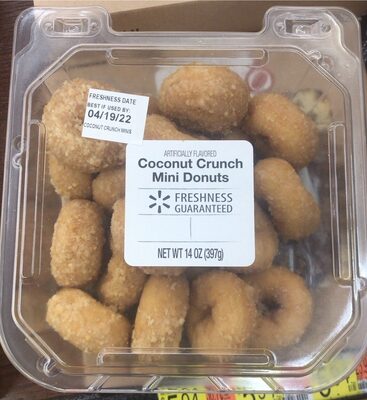
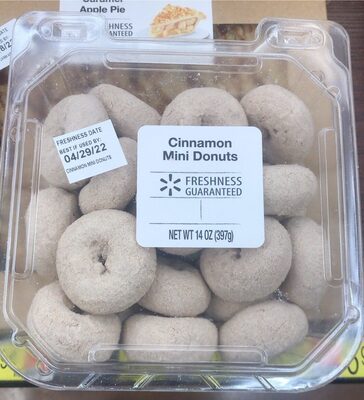
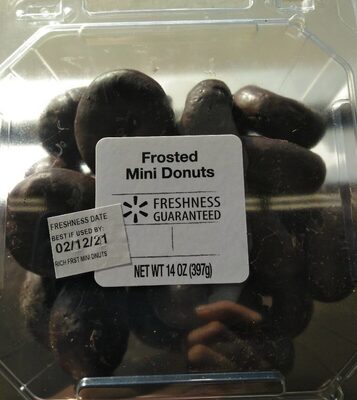
Foods that contain Corn Dextrin
Compare products →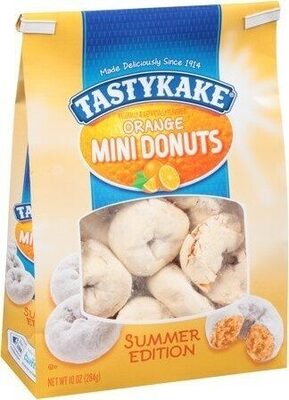
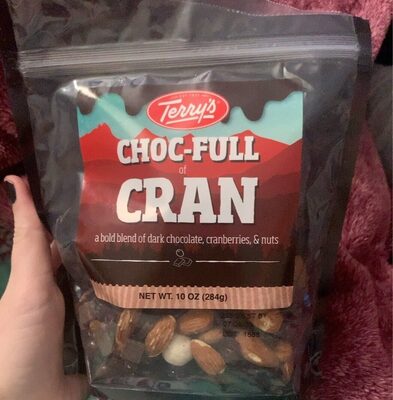
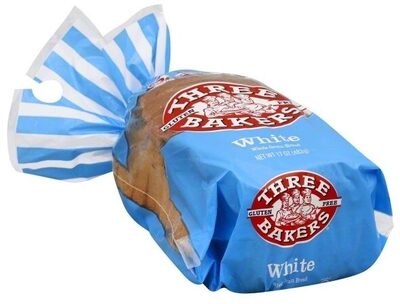


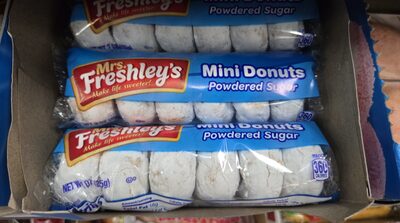
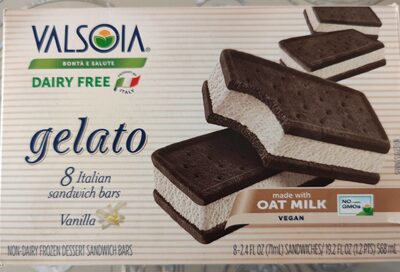
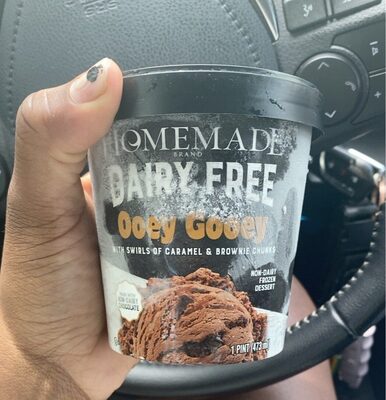
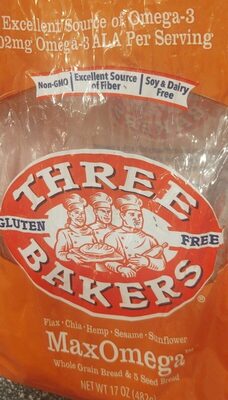


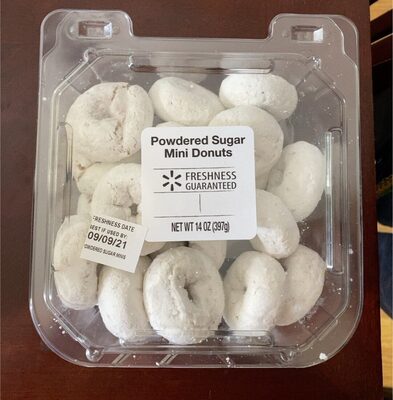
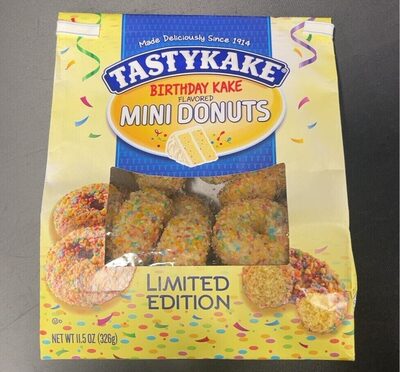
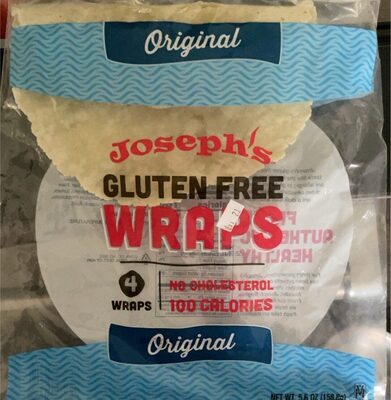
Auto-generated content. This description was generated automatically and is pending editorial review. Inaccuracies are possible. Found a mistake? Contact us.