Cottonseed Canola
What is Cottonseed Canola?
Cottonseed oil is a vegetable oil extracted from the seeds of the cotton plant. After the cotton fibers are removed, the seeds are cleaned, and the oil is extracted through pressing or solvent extraction. The oil is then refined to remove impurities and give it a neutral flavor and aroma.
Is Cottonseed Canola vegan?
Cottonseed Canola is not animal-derived. Products that contain it can still include other animal-derived ingredients, so check the full ingredient list.
Is Cottonseed Canola gluten-free?
It is not a source of gluten.
Is Cottonseed Canola a major allergen?
Cottonseed oil is not derived from one of the nine FDA major allergens.
What is Cottonseed Canola used for?
Cottonseed oil is often used in processed foods due to its neutral flavor and high smoke point, making it suitable for frying.
Is Cottonseed Canola safe?
Cottonseed oil is generally recognized as safe (GRAS) by the FDA for use in food.
Why it's used
Cottonseed oil is often used in processed foods due to its neutral flavor and high smoke point, making it suitable for frying. Manufacturers use it as a cooking oil, in salad dressings, mayonnaise, baked goods, and snack foods like chips and crackers.
Health notes
Cottonseed oil is generally recognized as safe (GRAS) by the FDA for use in food. It contains both saturated and unsaturated fats. While some studies suggest potential benefits from unsaturated fats, others raise concerns about the saturated fat content and gossypol, a natural toxin in raw cottonseed that is removed during refining. JECFA and EFSA have evaluated vegetable oils, including cottonseed oil, in the context of food additives and safety.
Allergen info
Cottonseed oil is not derived from one of the nine FDA major allergens. It is not a source of gluten.
Foods that contain Cottonseed Canola
Compare products →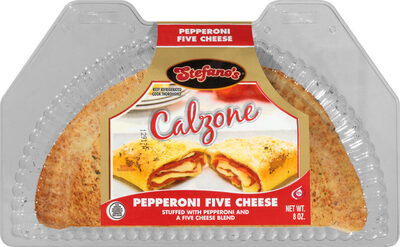
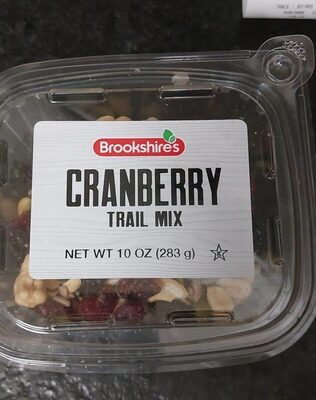
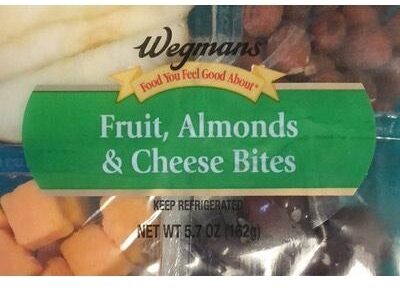
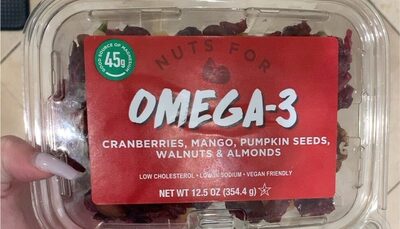
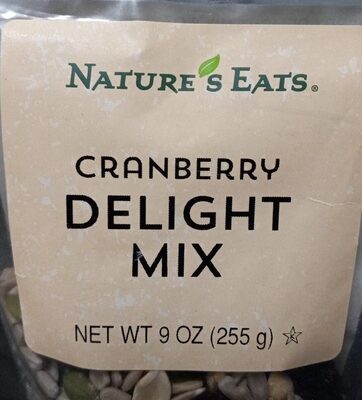 Nature'S Eats
Cranberry Delight Texas Trail, Cranberry Delight
464kcal
14.3Protein
32.1Fat
42.9Carbs
Learn more
Auto-generated content. This description was generated automatically and is pending editorial review. Inaccuracies are possible. Found a mistake? Contact us.