Croissant
What is Croissant?
A croissant is a buttery, flaky pastry made from layered dough. The dough is rolled and folded many times, creating many thin layers of dough separated by butter. This process, called laminating, gives the croissant its characteristic texture.
Is Croissant vegan?
No. Croissant is animal-derived, so it is not vegan.
Is Croissant gluten-free?
Croissants contain gluten from wheat.
Is Croissant a major allergen?
Croissants are typically made with wheat flour and butter.
What is Croissant used for?
Croissants are a popular baked good enjoyed on their own or as a base for sandwiches.
Is Croissant safe?
Croissants are a food item, not an ingredient with specific health implications.
Why it's used
Croissants are a popular baked good enjoyed on their own or as a base for sandwiches. Manufacturers use them as a breakfast item, a snack, or a component in prepared meals. They are often found in bakeries, cafes, and as a frozen or refrigerated item in grocery stores.
Health notes
Croissants are a food item, not an ingredient with specific health implications. Their nutritional content will vary based on ingredients like butter, flour, and sugar. The U.S. Food and Drug Administration (FDA) regulates ingredients used in packaged foods. International bodies like the Joint FAO/WHO Expert Committee on Food Additives (JECFA) and the European Food Safety Authority (EFSA) evaluate food ingredients for safety, but do not evaluate finished food products like croissants.
Allergen info
Croissants are typically made with wheat flour and butter. Wheat is one of the 9 FDA major allergens. Butter is derived from milk, which is also one of the 9 major allergens. Croissants contain gluten from wheat.
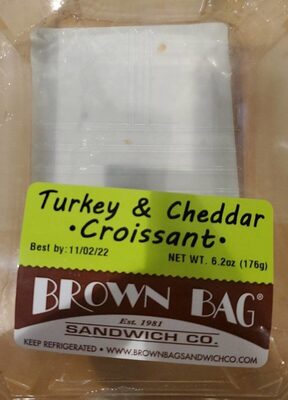
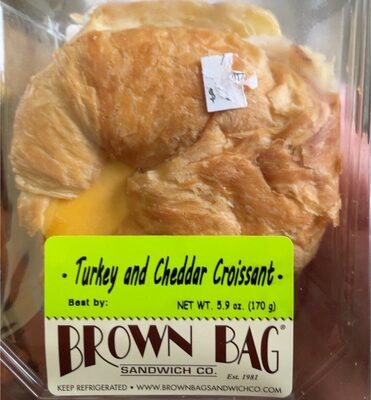
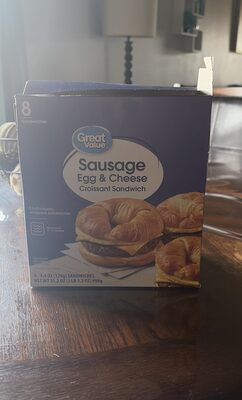
Foods that contain Croissant
Compare products →

Learn more
Auto-generated content. This description was generated automatically and is pending editorial review. Inaccuracies are possible. Found a mistake? Contact us.