Crust
What is Crust?
Crust is the outer shell of baked goods, providing structure and texture. It is typically made from flour, water, and leavening agents, often including yeast or baking powder. The dough is then shaped and baked, creating a firm or crispy exterior.
Is Crust gluten-free?
Crusts made with wheat flour contain gluten and are derived from wheat, which is one of the FDA's major allergens.
What is Crust used for?
Crusts are essential components of many baked foods, providing a base for toppings and a satisfying mouthfeel.
Is Crust safe?
Crusts are generally recognized as safe (GRAS) by the FDA as a food ingredient.
Why it's used
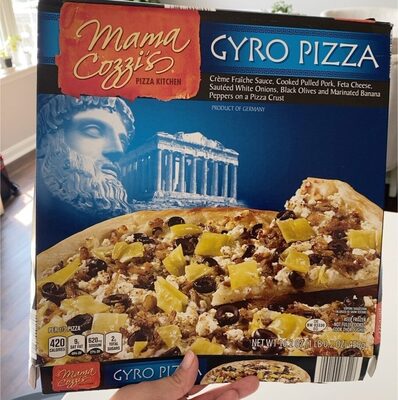
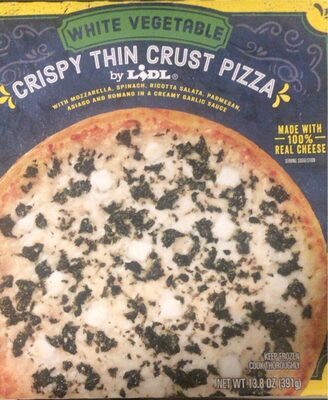
Crusts are essential components of many baked foods, providing a base for toppings and a satisfying mouthfeel. They are most commonly found in pizzas, pies, tarts, and bread-based products. Manufacturers use them to deliver flavor, texture, and a vehicle for other ingredients.
Health notes
Crusts are generally recognized as safe (GRAS) by the FDA as a food ingredient. The primary health considerations relate to the overall nutritional profile of the food item containing the crust, such as its carbohydrate, fiber, and sodium content. Regulatory bodies like JECFA and EFSA have evaluated many individual ingredients commonly found in crusts, such as flour and yeast, without setting specific health concerns at typical consumption levels.
Allergen info
Crusts made with wheat flour contain gluten and are derived from wheat, which is one of the FDA's major allergens. Consumers with celiac disease or gluten sensitivity should avoid wheat-based crusts.
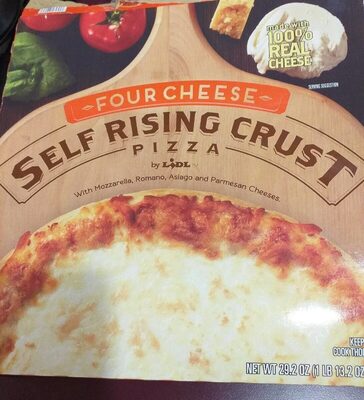
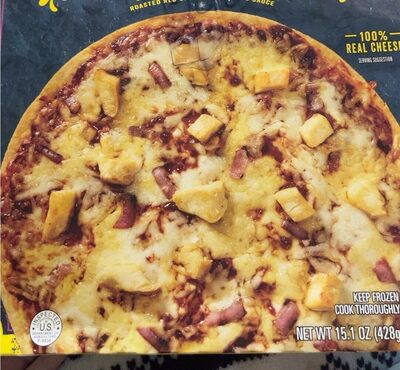
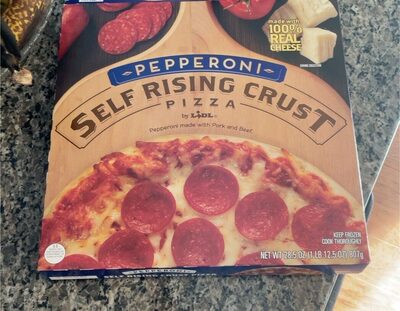
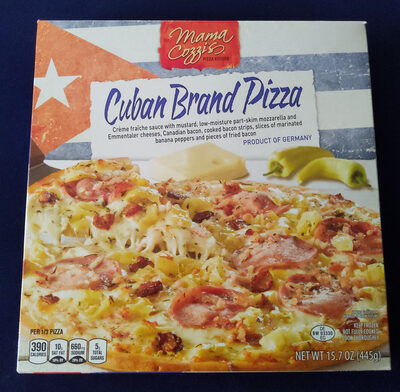
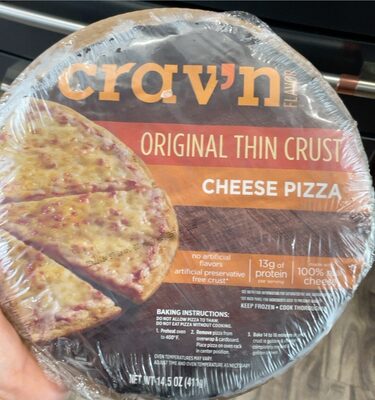
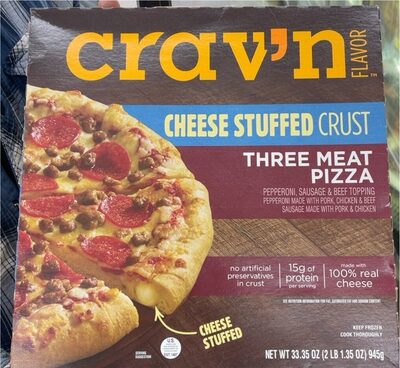
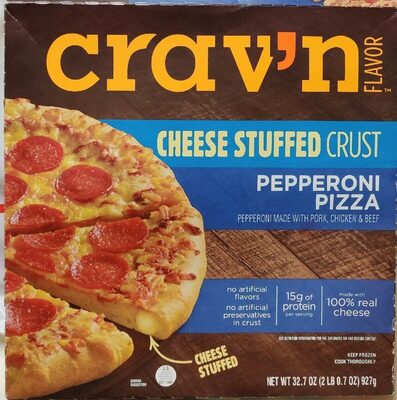
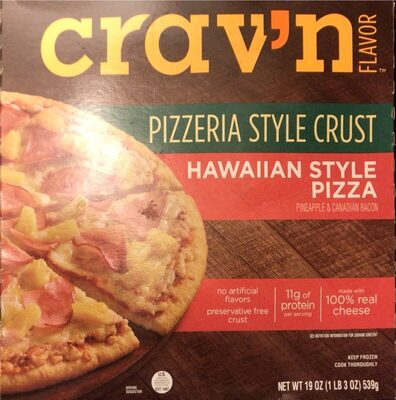
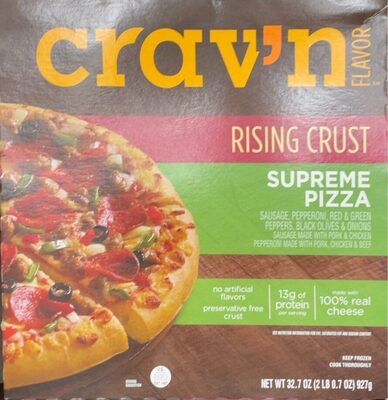
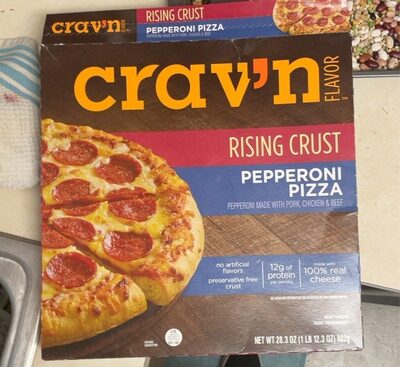
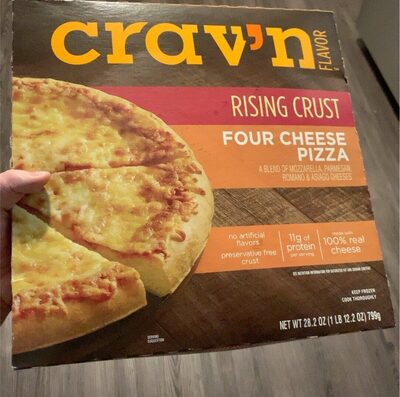
Foods that contain Crust
Compare products →
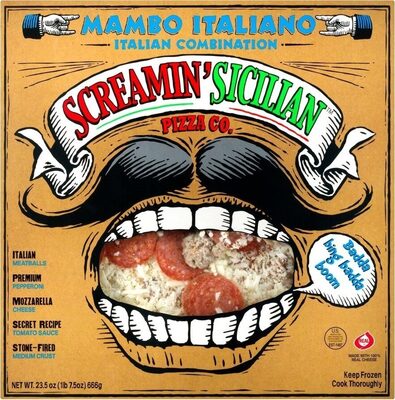
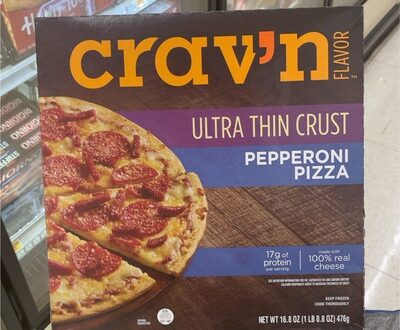
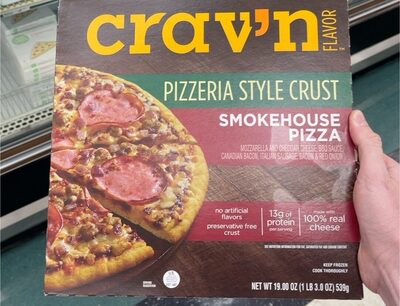
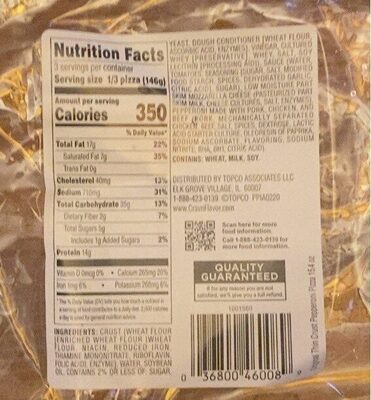
Learn more
Auto-generated content. This description was generated automatically and is pending editorial review. Inaccuracies are possible. Found a mistake? Contact us.