Culture Enzymes
What is Culture Enzymes?
Culture enzymes are proteins that speed up specific chemical reactions. They are often derived from microorganisms like bacteria or fungi, which are grown in a controlled environment. These enzymes are then purified and used in food production.
Is Culture Enzymes a major allergen?
Not a major allergen.
What is Culture Enzymes used for?
Manufacturers use culture enzymes to aid in food processing, such as in cheese making to help coagulate milk or in baking to improve dough texture.
Is Culture Enzymes safe?
Culture enzymes are generally recognized as safe (GRAS) by the FDA for their intended use in food.
Why it's used
Manufacturers use culture enzymes to aid in food processing, such as in cheese making to help coagulate milk or in baking to improve dough texture. They can also be used to develop specific flavors and aromas in fermented foods.
Health notes
Culture enzymes are generally recognized as safe (GRAS) by the FDA for their intended use in food. They are typically broken down during digestion and are not expected to have significant health effects at the levels found in food. International bodies like JECFA have evaluated enzymes and set acceptable daily intakes.
Allergen info
Not a major allergen. However, if the enzymes are produced using microbial strains grown on media containing allergens like milk or soy, trace amounts could potentially be present.
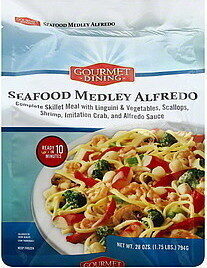
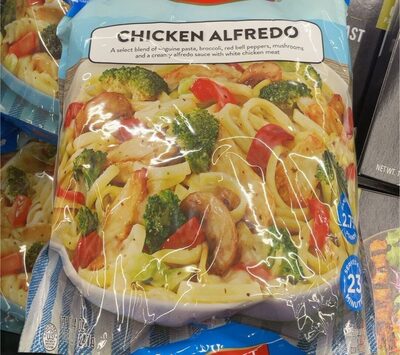
Foods that contain Culture Enzymes
Compare products →
Auto-generated content. This description was generated automatically and is pending editorial review. Inaccuracies are possible. Found a mistake? Contact us.