Cultured Cream And Milk
What is Cultured Cream And Milk?
Cultured cream and milk refers to dairy products, such as sour cream, yogurt, or buttermilk, that have been fermented using specific bacterial cultures. This process thickens the dairy and gives it a distinct tangy flavor. The cultures convert lactose into lactic acid, which acts as a natural preservative and contributes to the characteristic taste and texture.
Is Cultured Cream And Milk vegan?
No. Cultured Cream And Milk is animal-derived, so it is not vegan.
Is Cultured Cream And Milk a major allergen?
This ingredient contains milk, which is one of the nine major food allergens identified by the FDA.
What is Cultured Cream And Milk used for?
Manufacturers add cultured cream and milk to foods primarily for flavor, texture, and moisture.
Is Cultured Cream And Milk safe?
Cultured cream and milk are generally recognized as safe (GRAS) by the FDA as common food ingredients.
Why it's used
Manufacturers add cultured cream and milk to foods primarily for flavor, texture, and moisture. It provides a rich, tangy taste and a creamy consistency, often used in baked goods, sauces, and desserts. You can find it in products like cheesecakes, creamy soups, and snack cakes.
Health notes
Cultured cream and milk are generally recognized as safe (GRAS) by the FDA as common food ingredients. They are dairy products that have undergone fermentation, which can sometimes make them easier to digest for individuals with mild lactose intolerance due to the breakdown of lactose. No specific health controversies are associated with the consumption of cultured cream and milk at typical intake levels.
Allergen info
This ingredient contains milk, which is one of the nine major food allergens identified by the FDA.
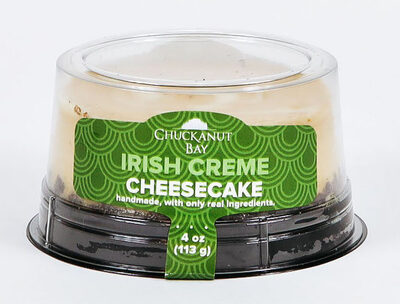
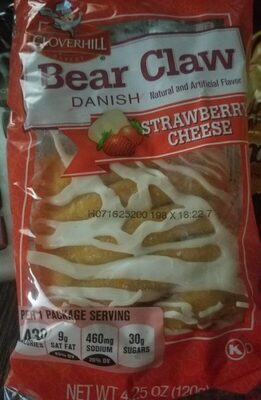
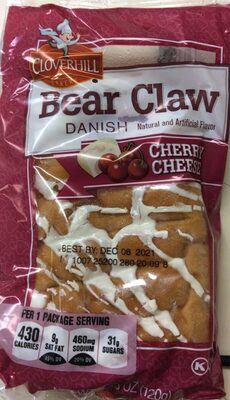
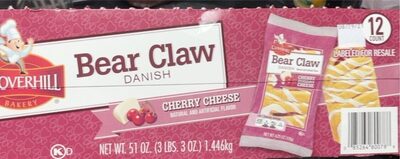
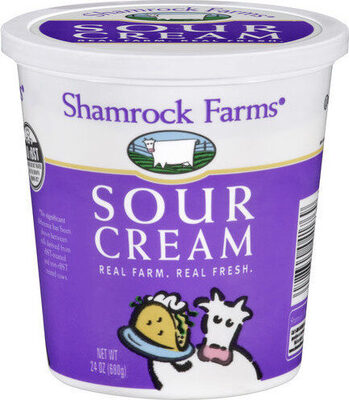
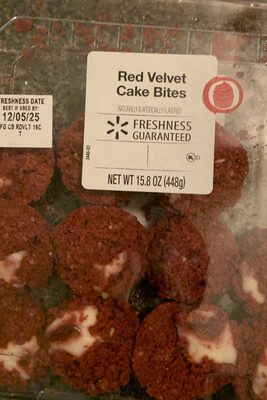
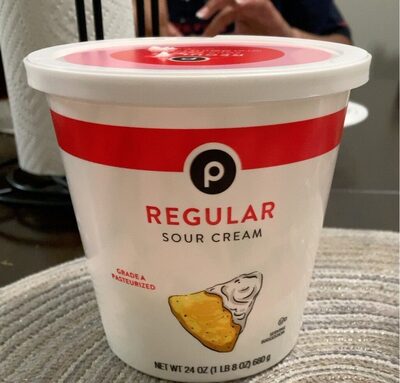
Foods that contain Cultured Cream And Milk
Compare products →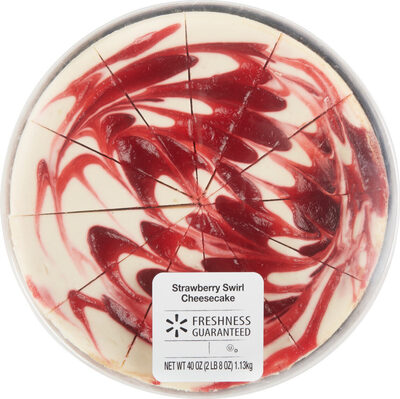
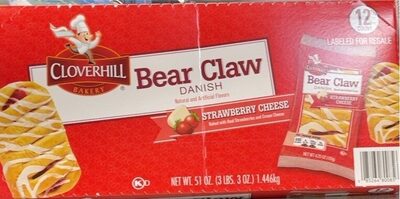
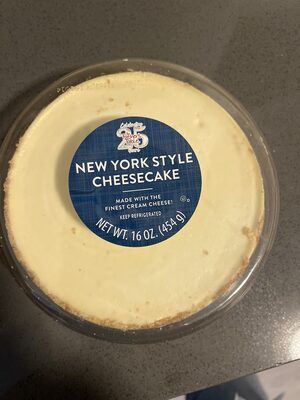
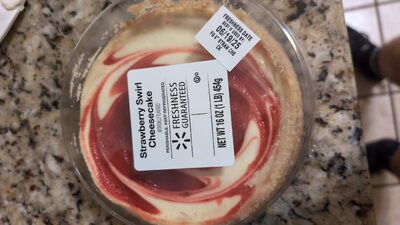
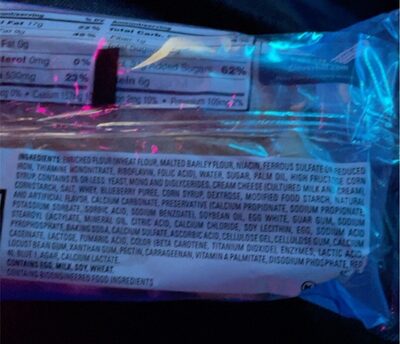
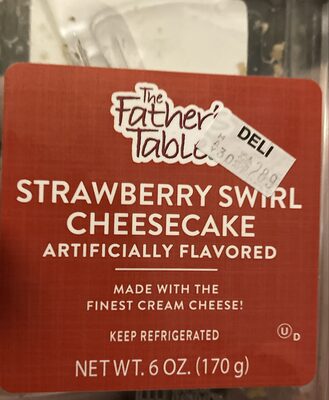
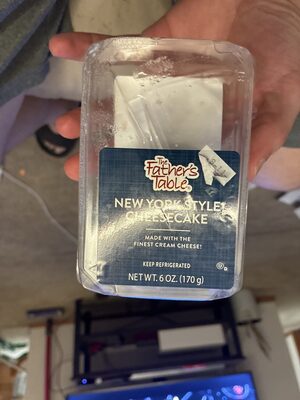
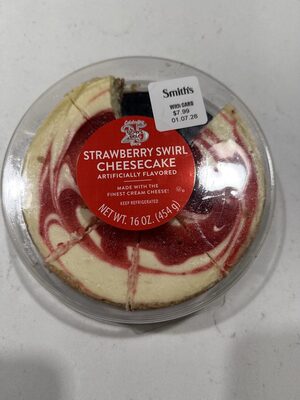
Learn more
Auto-generated content. This description was generated automatically and is pending editorial review. Inaccuracies are possible. Found a mistake? Contact us.