Cultured Low Fat Milk
What is Cultured Low Fat Milk?
Cultured low-fat milk is low-fat milk that has been fermented by beneficial bacteria, often called 'cultures'. These bacteria convert lactose (milk sugar) into lactic acid, giving the milk a tangy flavor and thicker texture. This process also helps preserve the milk.
Is Cultured Low Fat Milk vegan?
No. Cultured Low Fat Milk is animal-derived, so it is not vegan.
Is Cultured Low Fat Milk gluten-free?
It does not contain gluten.
Is Cultured Low Fat Milk a major allergen?
Cultured low-fat milk is derived from milk, which is one of the 9 FDA major allergens.
What is Cultured Low Fat Milk used for?
Manufacturers use cultured low-fat milk as a dairy ingredient to add a tangy flavor and creamy texture to foods.
Is Cultured Low Fat Milk safe?
Cultured low-fat milk is generally recognized as safe (GRAS) by the FDA.
Why it's used
Manufacturers use cultured low-fat milk as a dairy ingredient to add a tangy flavor and creamy texture to foods. It is commonly found in baked goods like cakes and cupcakes, as well as in ice cream, frozen yogurt, and salad dressings.
Health notes
Cultured low-fat milk is generally recognized as safe (GRAS) by the FDA. The fermentation process can increase the levels of beneficial probiotics, which are live microorganisms that may support gut health. International bodies like JECFA have evaluated similar dairy products. Evidence does not suggest adverse health effects from consuming cultured low-fat milk at typical dietary levels.
Allergen info
Cultured low-fat milk is derived from milk, which is one of the 9 FDA major allergens. It does not contain gluten.
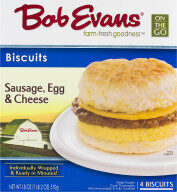
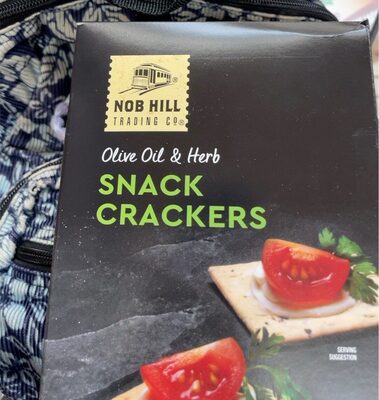
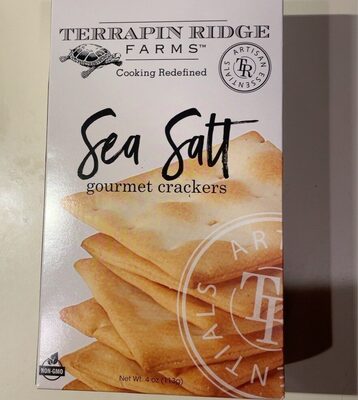
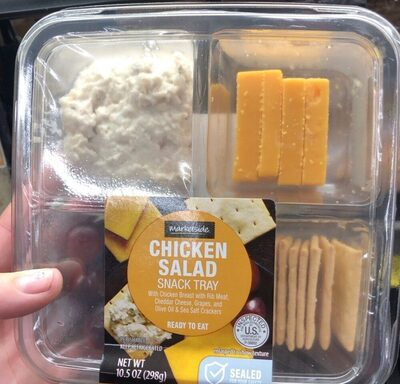
Foods that contain Cultured Low Fat Milk
Compare products →
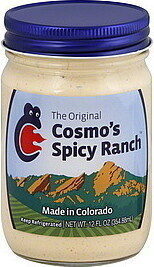

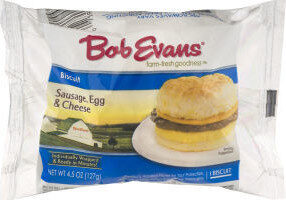
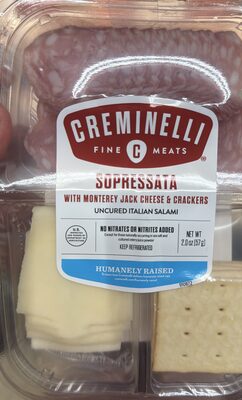
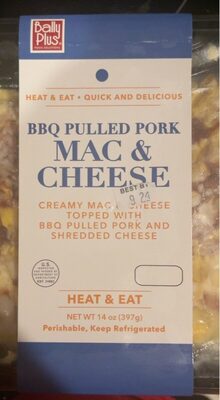


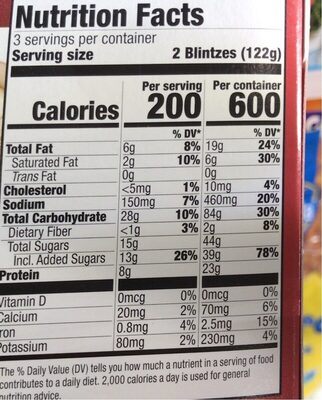
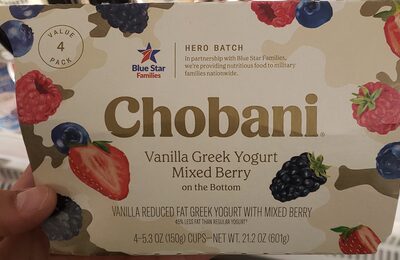
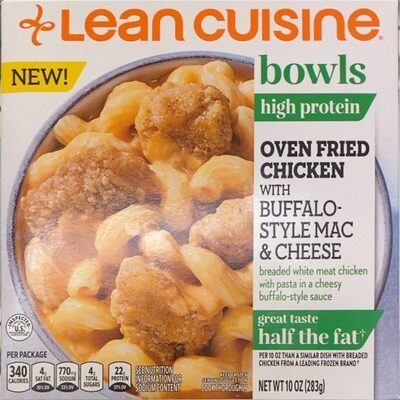
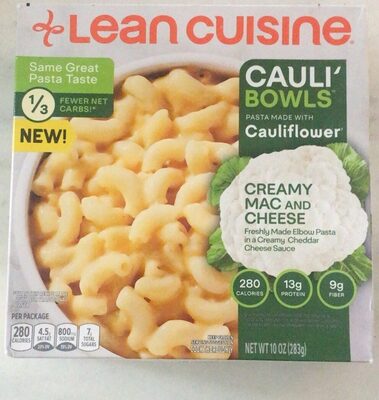
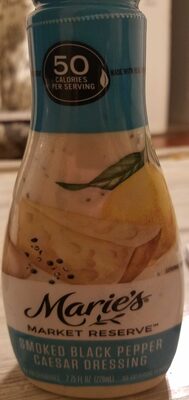
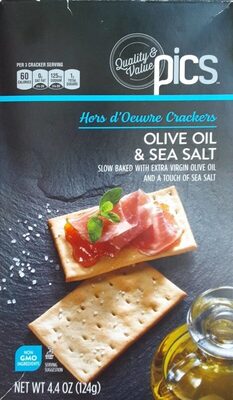
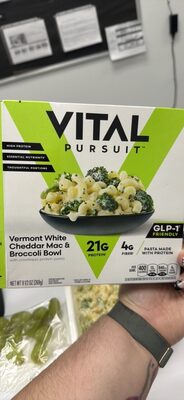
Learn more
Auto-generated content. This description was generated automatically and is pending editorial review. Inaccuracies are possible. Found a mistake? Contact us.