Cultured Pasteurized Grade A Reduced Fat Milk
What is Cultured Pasteurized Grade A Reduced Fat Milk?
This is milk from cows that has been pasteurized (heated to kill germs) and had some of its fat removed. The 'cultured' part means beneficial bacteria were added to ferment the milk, giving it a tangy flavor and thicker texture, similar to yogurt.
Is Cultured Pasteurized Grade A Reduced Fat Milk vegan?
No. Cultured Pasteurized Grade A Reduced Fat Milk is animal-derived, so it is not vegan.
Is Cultured Pasteurized Grade A Reduced Fat Milk a major allergen?
Milk is one of the FDA's 9 major allergens.
What is Cultured Pasteurized Grade A Reduced Fat Milk used for?
Manufacturers use it as a base for yogurt and other dairy products.
Is Cultured Pasteurized Grade A Reduced Fat Milk safe?
Cultured pasteurized reduced-fat milk is a common dairy product.
Why it's used
Manufacturers use it as a base for yogurt and other dairy products. Its creamy texture and mild flavor make it a popular choice for snacks, desserts, and breakfast items.
Health notes
Cultured pasteurized reduced-fat milk is a common dairy product. The FDA considers it safe for consumption. Major health organizations like the WHO and EFSA have not specifically evaluated this exact form of milk, but generally recognize the health benefits of dairy products, such as providing calcium and protein. Evidence suggests moderate consumption of dairy is part of a balanced diet.
Allergen info
Milk is one of the FDA's 9 major allergens. This ingredient is derived from milk.
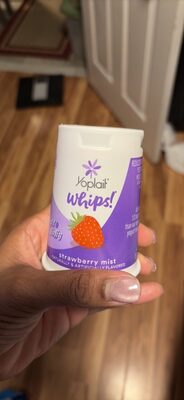
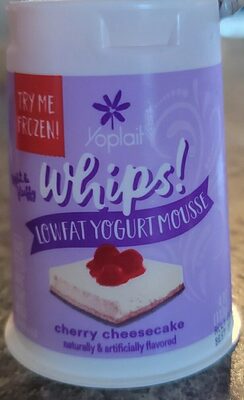
Foods that contain Cultured Pasteurized Grade A Reduced Fat Milk
Compare products →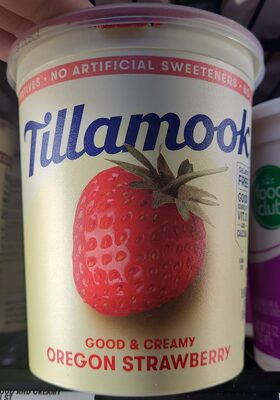

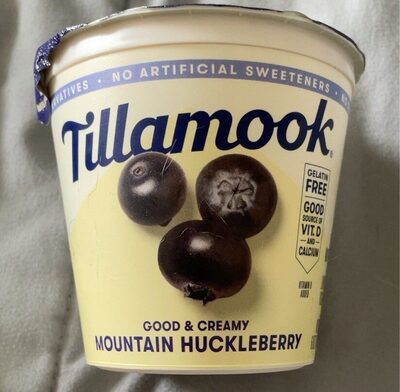

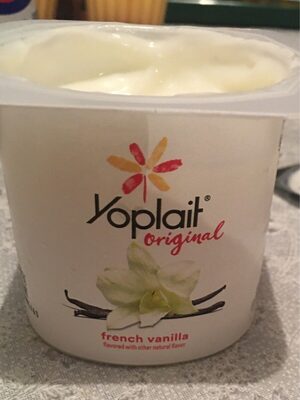

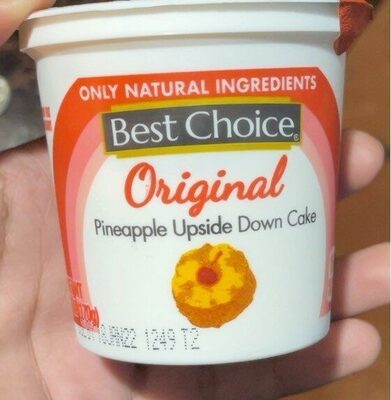
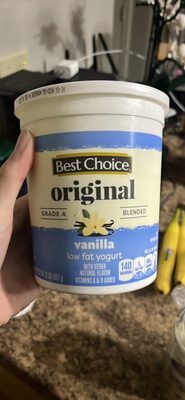
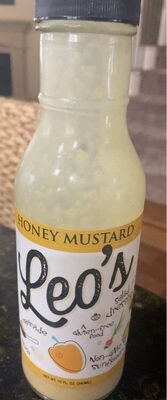
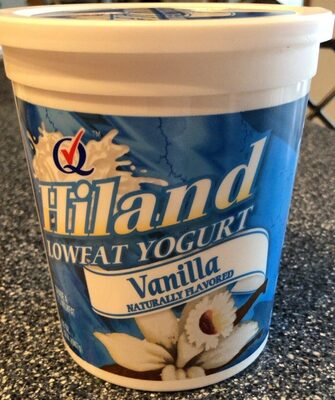


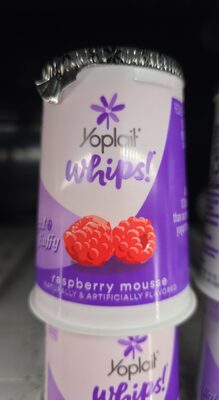
Learn more
Auto-generated content. This description was generated automatically and is pending editorial review. Inaccuracies are possible. Found a mistake? Contact us.