Cultured Pasteurized Organic Cream
What is Cultured Pasteurized Organic Cream?
Cultured pasteurized organic cream is made from organic milk cream that has been pasteurized to kill harmful bacteria. It is then cultured with live bacteria, which gives it a tangy flavor and thicker texture similar to sour cream or yogurt. The 'organic' designation means it comes from cows not treated with synthetic growth hormones or antibiotics, and fed organic feed.
Is Cultured Pasteurized Organic Cream vegan?
No. Cultured Pasteurized Organic Cream is animal-derived, so it is not vegan.
Is Cultured Pasteurized Organic Cream gluten-free?
It does not contain gluten.
Is Cultured Pasteurized Organic Cream a major allergen?
Cultured pasteurized organic cream is derived from milk, which is one of the 9 FDA major allergens.
What is Cultured Pasteurized Organic Cream used for?
Manufacturers add cultured pasteurized organic cream for its rich flavor and creamy texture.
Is Cultured Pasteurized Organic Cream safe?
Cultured pasteurized organic cream is generally recognized as safe (GRAS) by the FDA when used as intended.
Why it's used
Manufacturers add cultured pasteurized organic cream for its rich flavor and creamy texture. It acts as a dairy base, emulsifier, and flavor enhancer in a variety of foods. It is commonly found in dairy products like yogurt and sour cream, as well as in baked goods, sauces, and desserts.
Health notes
Cultured pasteurized organic cream is generally recognized as safe (GRAS) by the FDA when used as intended. It is a source of fat and some vitamins. Regulatory bodies like JECFA and EFSA have evaluated similar dairy components. Evidence does not suggest adverse health effects from consuming typical amounts of cultured cream.
Allergen info
Cultured pasteurized organic cream is derived from milk, which is one of the 9 FDA major allergens. It does not contain gluten.
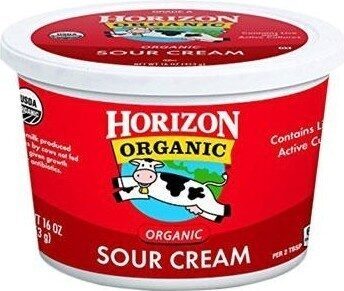
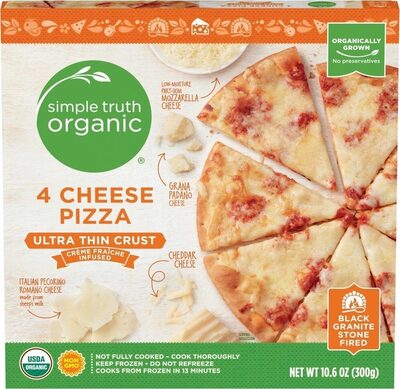
Foods that contain Cultured Pasteurized Organic Cream
Compare products →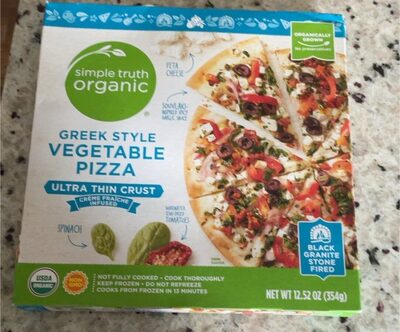
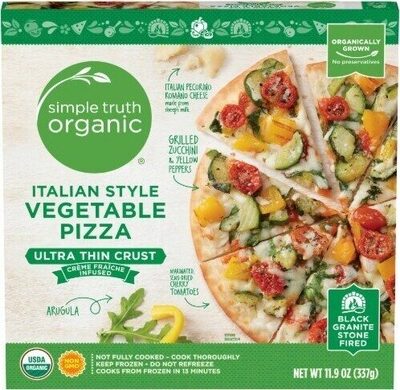
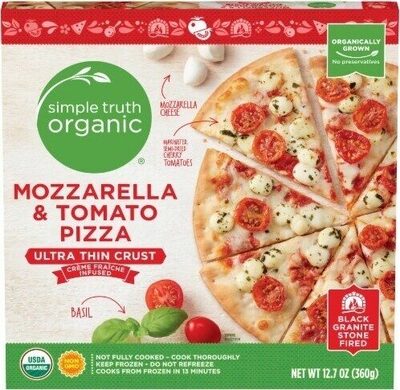
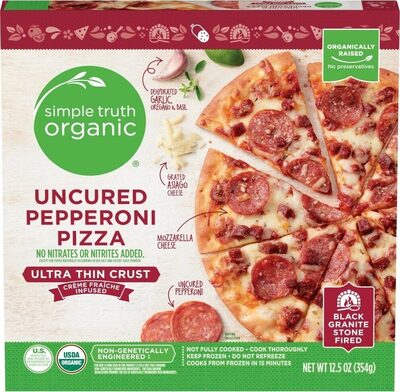
Learn more
Auto-generated content. This description was generated automatically and is pending editorial review. Inaccuracies are possible. Found a mistake? Contact us.