Cultured Pasteurized Organic Whole Milk
What is Cultured Pasteurized Organic Whole Milk?
This is milk from cows raised under organic farming standards, meaning they are not given antibiotics or growth hormones and are fed organic feed. The milk is pasteurized to kill harmful bacteria and then cultured with live bacteria (probiotics) to give it a tangy flavor and thicker texture, similar to yogurt.
Is Cultured Pasteurized Organic Whole Milk vegan?
No. Cultured Pasteurized Organic Whole Milk is animal-derived, so it is not vegan.
Is Cultured Pasteurized Organic Whole Milk a major allergen?
Milk is one of the 9 major allergens identified by the FDA.
What is Cultured Pasteurized Organic Whole Milk used for?
Cultured pasteurized organic whole milk is used to add a creamy texture, rich flavor, and tangy taste to dairy products.
Is Cultured Pasteurized Organic Whole Milk safe?
Cultured pasteurized organic whole milk is generally recognized as safe (GRAS) by the FDA.
Why it's used
Cultured pasteurized organic whole milk is used to add a creamy texture, rich flavor, and tangy taste to dairy products. It is a primary ingredient in yogurts, kefir, and some ice creams, contributing to their characteristic body and mouthfeel.
Health notes
Cultured pasteurized organic whole milk is generally recognized as safe (GRAS) by the FDA. It is a source of calcium, vitamin D, and protein. The live and active cultures (probiotics) in cultured milk may support gut health. International bodies like JECFA have evaluated milk and milk products.
Allergen info
Milk is one of the 9 major allergens identified by the FDA. This ingredient is derived from milk.
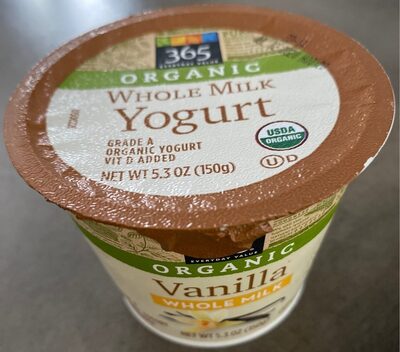
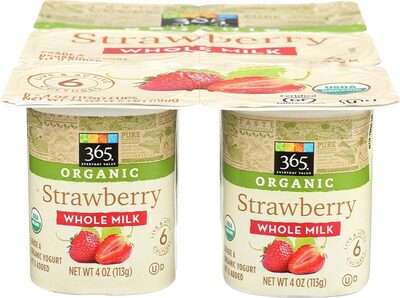
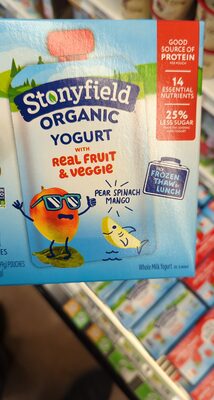
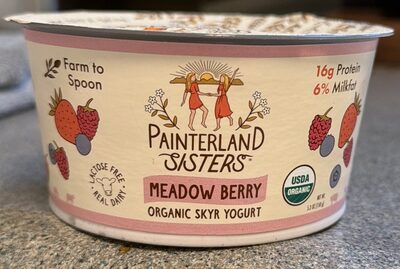
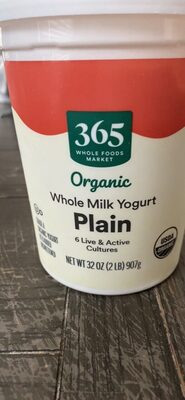
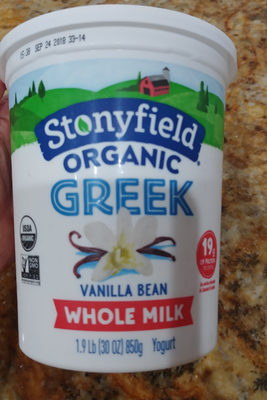
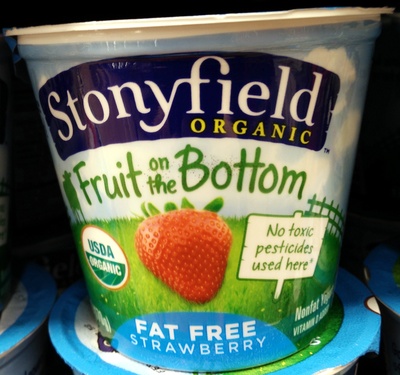
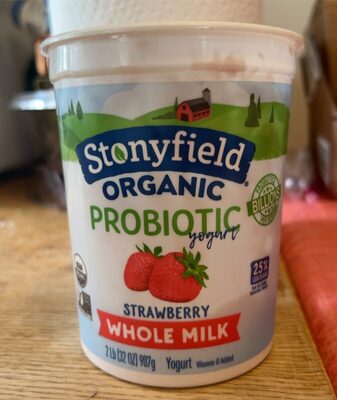
Foods that contain Cultured Pasteurized Organic Whole Milk
Compare products →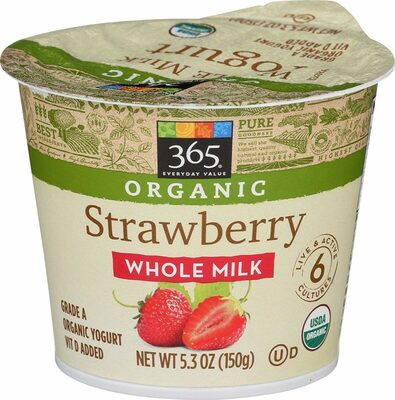
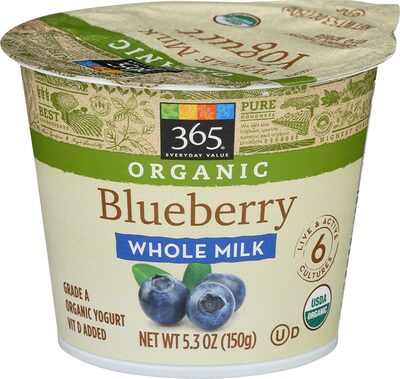
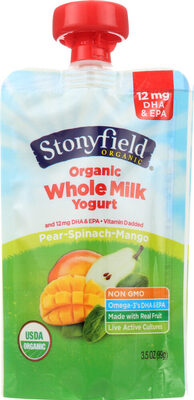
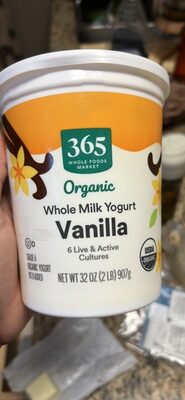
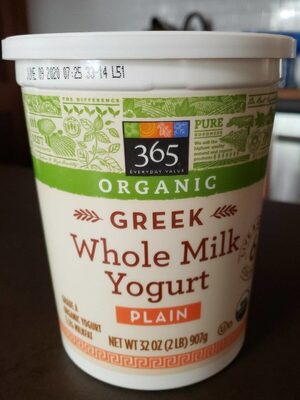
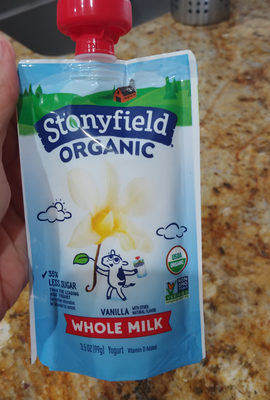
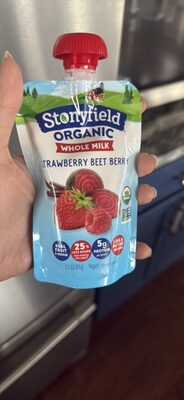

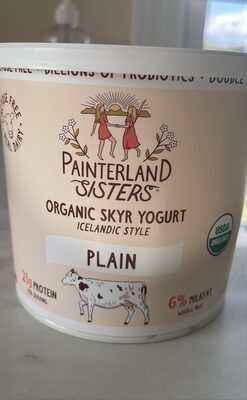
Learn more
Auto-generated content. This description was generated automatically and is pending editorial review. Inaccuracies are possible. Found a mistake? Contact us.