Auto-generated content.
This description was generated automatically and is pending editorial review.
Inaccuracies are possible. Found a mistake? Contact us.
Source
Animal-derived
Allergen
No
Role in food
Manufacturers use cultured pasteurized whole milk to add a creamy texture and tangy flavor …
What it is
This ingredient is milk that has been pasteurized to kill harmful bacteria and then had beneficial bacterial cultures added. These cultures ferment the milk's lactose (sugar) into lactic acid, which gives cultured milk products their characteristic tangy flavor and thicker texture.
Why it's used
Manufacturers use cultured pasteurized whole milk to add a creamy texture and tangy flavor to foods. It is commonly found in dairy products like yogurt, sour cream, and some cheeses, as well as in baked goods and dips.
Health notes
Cultured pasteurized whole milk is generally recognized as safe (GRAS) by the FDA. The beneficial bacteria (probiotics) in cultured dairy products may support gut health, though research is ongoing. International bodies like EFSA have evaluated similar cultured dairy products. At typical consumption levels, it is considered a safe and nutritious food ingredient.
Allergen info
Cultured pasteurized whole milk is derived from milk, which is one of the 9 major allergens identified by the FDA.
Note:
This site presents label data from USDA FoodData Central for general information. It is not medical advice.
Check the package label; formulations change.
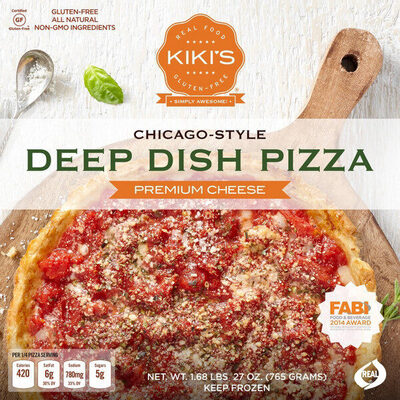 Kiki's Gluten Free Foods, LLC
Chicago-Style Three Cheese Deep Dish Pizza, Chicago-Style Three Cheese
High in sodium — 34% DV per serving
High in saturated fat — 30% DV per serving
250kcal
7.1Protein
10.7Fat
31.6Carbs
Kiki's Gluten Free Foods, LLC
Chicago-Style Three Cheese Deep Dish Pizza, Chicago-Style Three Cheese
High in sodium — 34% DV per serving
High in saturated fat — 30% DV per serving
250kcal
7.1Protein
10.7Fat
31.6Carbs