Cultures And Lactic Acid
What is Cultures And Lactic Acid?
Cultures are live microorganisms, often bacteria, used to ferment foods. Lactic acid is a naturally occurring organic acid produced by these bacteria during fermentation, or it can be manufactured. It contributes a sour or tangy taste.
Is Cultures And Lactic Acid gluten-free?
Gluten is not present unless added from another ingredient.
Is Cultures And Lactic Acid a major allergen?
Cultures may be derived from dairy, but lactic acid itself is not a major allergen.
What is Cultures And Lactic Acid used for?
Cultures are used to develop specific flavors and textures in fermented foods like yogurt and cheese.
Is Cultures And Lactic Acid safe?
In the US, lactic acid is Generally Recognized As Safe (GRAS) by the FDA.
Why it's used
Cultures are used to develop specific flavors and textures in fermented foods like yogurt and cheese. Lactic acid is added as an acidity regulator to control pH, enhance flavor, and act as a preservative. It's found in dairy products, baked goods, snacks, and confectionery.
Health notes
In the US, lactic acid is Generally Recognized As Safe (GRAS) by the FDA. It is a natural byproduct of metabolism in the body. International bodies like JECFA have evaluated lactic acid and other lactates, and have established acceptable daily intakes. Evidence does not suggest adverse health effects from typical dietary intake.
Allergen info
Cultures may be derived from dairy, but lactic acid itself is not a major allergen. Gluten is not present unless added from another ingredient.
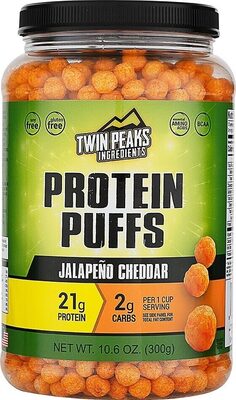
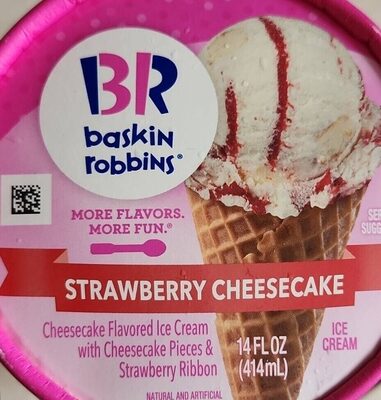
Foods that contain Cultures And Lactic Acid
Compare products →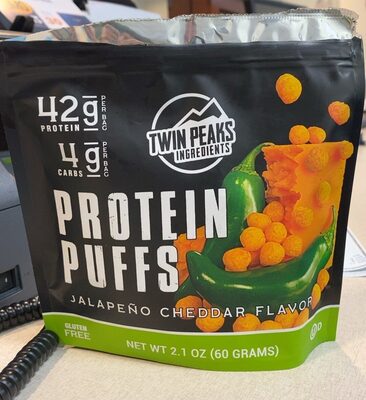
Auto-generated content. This description was generated automatically and is pending editorial review. Inaccuracies are possible. Found a mistake? Contact us.