Dark Turkey Meat
What is Dark Turkey Meat?
Dark turkey meat is the darker-colored flesh from the legs and thighs of a turkey. This meat is naturally richer in myoglobin, a protein that stores oxygen, which gives it a darker hue compared to breast meat. It is typically used in processed turkey products.
Is Dark Turkey Meat vegan?
No. Dark Turkey Meat is animal-derived, so it is not vegan.
Is Dark Turkey Meat a major allergen?
Not a major allergen.
What is Dark Turkey Meat used for?
Manufacturers use dark turkey meat as a protein source and for its flavor in various processed foods.
Is Dark Turkey Meat safe?
Dark turkey meat is a source of protein and various nutrients.
Why it's used
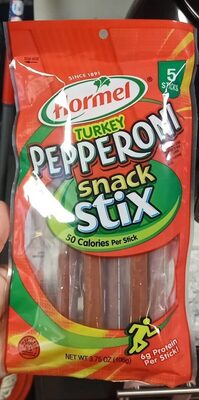
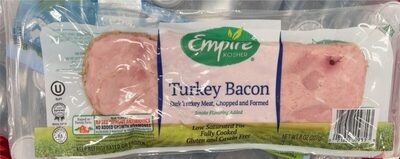
Manufacturers use dark turkey meat as a protein source and for its flavor in various processed foods. It is often found in products like turkey sausages, pepperoni, salami, chili, and canned soups, where it contributes to the overall taste and texture.
Health notes
Dark turkey meat is a source of protein and various nutrients. The U.S. Food and Drug Administration (FDA) generally recognizes turkey as safe for consumption. International bodies like the Joint FAO/WHO Expert Committee on Food Additives (JECFA) and the European Food Safety Authority (EFSA) have evaluated many food ingredients, but specific evaluations for dark turkey meat as a standalone ingredient are not typically categorized in the same way as additives. Typical consumption as part of a balanced diet is not associated with adverse health effects.
Allergen info
Not a major allergen. Turkey is not one of the nine major allergens identified by the FDA.
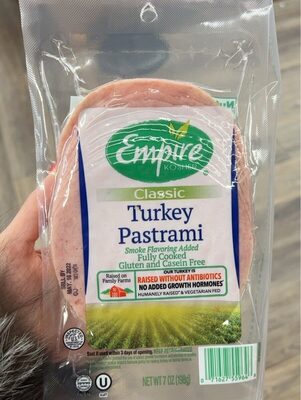
Foods that contain Dark Turkey Meat
Compare products →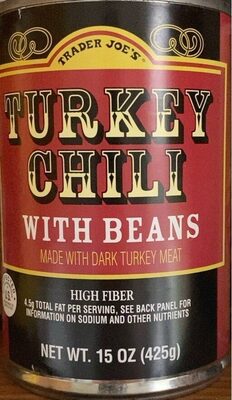


Learn more
Auto-generated content. This description was generated automatically and is pending editorial review. Inaccuracies are possible. Found a mistake? Contact us.