Dehydrated Nori
What is Dehydrated Nori?
Dehydrated nori is dried seaweed, specifically a type of red algae. It is commonly cultivated in Japan and Korea, where it is pressed into thin sheets and dried for culinary use. This process concentrates its flavor and nutrients.
Is Dehydrated Nori vegan?
Dehydrated Nori is not animal-derived. Products that contain it can still include other animal-derived ingredients, so check the full ingredient list.
Is Dehydrated Nori gluten-free?
It does not contain gluten.
Is Dehydrated Nori a major allergen?
Nori is derived from seaweed and is not one of the nine major allergens.
What is Dehydrated Nori used for?
Nori is most famously used to wrap sushi and onigiri (rice balls).
Is Dehydrated Nori safe?
Nori is generally recognized as safe (GRAS) by the FDA for food use.
Why it's used
Nori is most famously used to wrap sushi and onigiri (rice balls). It is also crumbled or ground into powders to season snacks like rice crackers and chips, or added to soups and stir-fries for a savory, umami flavor. Manufacturers use it primarily as a flavoring ingredient.
Health notes
Nori is generally recognized as safe (GRAS) by the FDA for food use. It is a source of vitamins, minerals, and fiber. JECFA has evaluated nori and found it to be safe for consumption. While generally considered healthy, excessive intake of seaweed could lead to high iodine levels, though this is rare with typical consumption.
Allergen info
Nori is derived from seaweed and is not one of the nine major allergens. It does not contain gluten.
Foods that contain Dehydrated Nori
Compare products →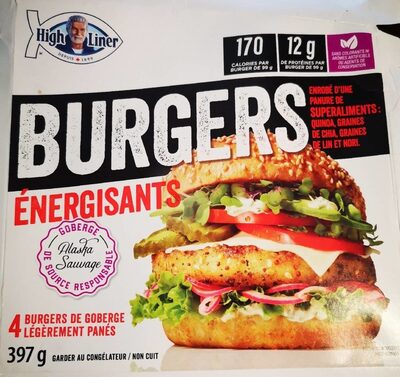 Caribbean Gourmet Inc.
Crusted With Superfoods Including Quinoa, Chia Seeds, Flaxseeds And Nori Power Packed Burgers, Crusted With Superfoods
172kcal
12.1Protein
7.1Fat
16.2Carbs
High Liner Foods (USA) Incorporated
Seasoned With Chia, Flaxseed Quinoa & Nori Power Packed Wild Alaska Pollock Burgers, Seasoned With Chia, Flaxseed Quinoa & Nori
173kcal
12.2Protein
7.1Fat
16.3Carbs
High Liner Foods (USA) Incorporated
Power Packed Pollock Burgers
173kcal
12.2Protein
7.1Fat
16.3Carbs
Caribbean Gourmet Inc.
Crusted With Superfoods Including Quinoa, Chia Seeds, Flaxseeds And Nori Power Packed Burgers, Crusted With Superfoods
172kcal
12.1Protein
7.1Fat
16.2Carbs
High Liner Foods (USA) Incorporated
Seasoned With Chia, Flaxseed Quinoa & Nori Power Packed Wild Alaska Pollock Burgers, Seasoned With Chia, Flaxseed Quinoa & Nori
173kcal
12.2Protein
7.1Fat
16.3Carbs
High Liner Foods (USA) Incorporated
Power Packed Pollock Burgers
173kcal
12.2Protein
7.1Fat
16.3Carbs
Auto-generated content. This description was generated automatically and is pending editorial review. Inaccuracies are possible. Found a mistake? Contact us.